Monthly Archives: September 2023

Valor

The virtue of courage is seen most clearly

In saying this, we do not mean

  • we should all engage in such contests, or
  • any of us should, or
  • we cannot be brave without it.

Perhaps we should not be brave at all. Still, it is somehow open to us. It is better than the alternatives, but one has to work that out for oneself.

Fallen warrior on cover of Lattimore’s Iliad, lying on Crisp’s Nicomachean Ethics

Continue reading

Excuses

This post features the first five chapters of Book III of the Nicomachean Ethics of Aristotle. Those chapters take up the following subjects.

  • Chapter I. The voluntary and involuntary (ἑκούσιος and ἀκούσιος).
  • Chapter II. Choice (also called intention, preference, and rational or deliberate choice: προαίρεσις).
  • Chapter III. The deliberated (βουλευτός).
  • Chapter IV. The wished-for (βουλητός).
  • Chapter V. Vice (κακία) as being voluntary.

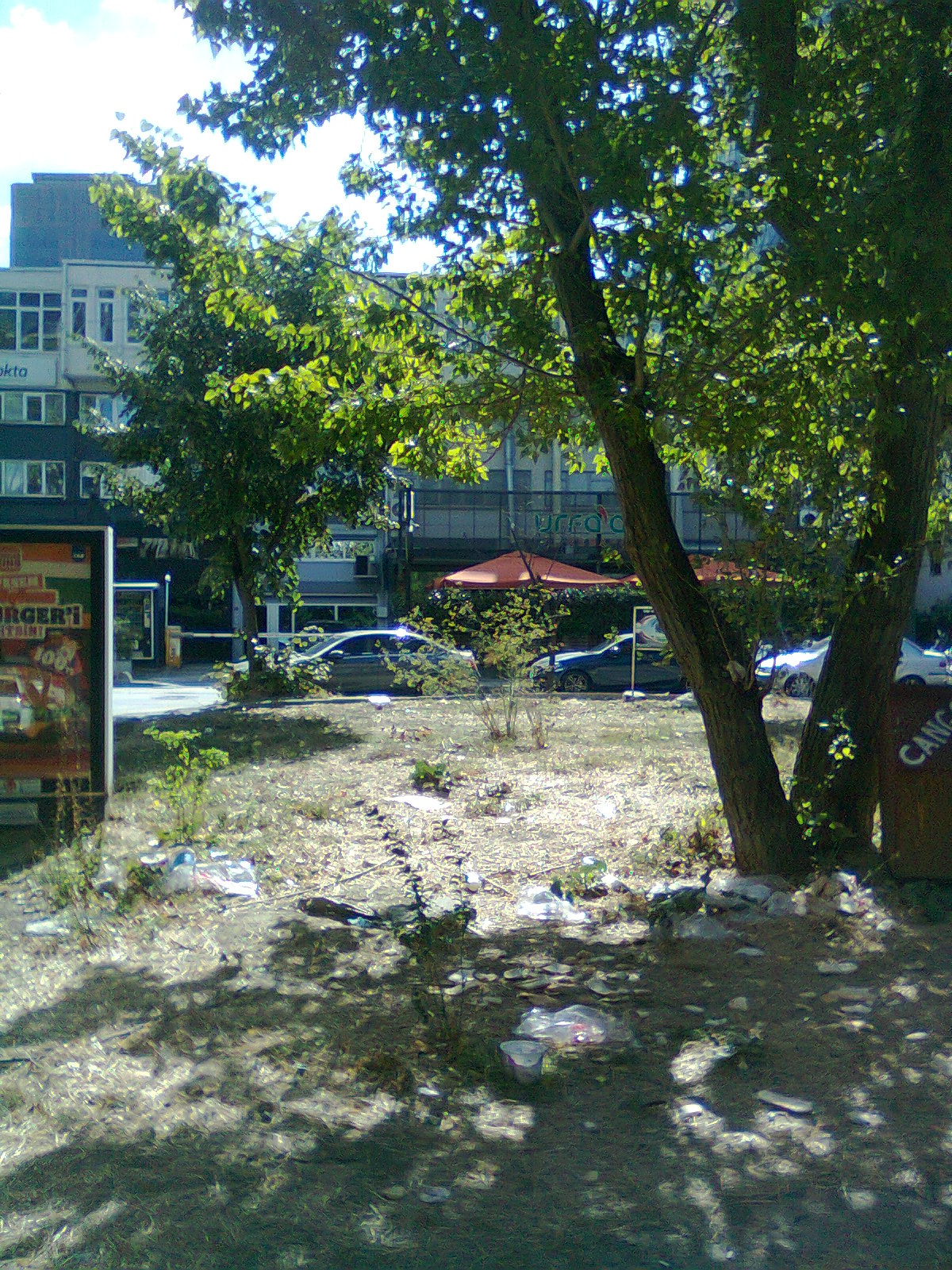
Mostly bare earth with a few weeds, some trash, a tree with two trunks, and a billboard; cars and low-rise buildings behind, on a sunny day
Public space in Maslak, Sarıyer
“One of the main business districts of Istanbul”
September 19, 2023

Continue reading

Cavafy in Istanbul

The first part of this post concerns a poem by Constantine Cavafy on accepting one’s fate. There are three parts after that:

The Cavafy poem, “The God Abandons Antony,” is based on a passage in Plutarch’s life of that person. Susan Cain wrote about the poem in a newsletter. Her book Quiet gave me a new appreciation for my parents. It so happens that my parents had me by adoption. Unfortunately other people are not happy to be in that situation.

Some people are also not happy with their sex. Cavafy’s poem could have given courage to Ms Cain during a painful birth. Courage is literally manliness in Greek. Plutarch writes of a man’s imitation of a woman in labor. Roberto Calasso’s Marriage of Cadmus and Harmony led me to the story. I talk about all of that.

I have since learned of another good essay, “Personal Integrity in the Poetry of C. P. Cavafy,” in Beshara Magazine, by Andrew Watson. A different Andrew Watson played football for Scotland in 1881, and The Guardian has an article, “‘We looked identical’: one man’s discovery of slavery, family and football” (24 December 2020), by Tusdiq Din, about Malik Al-Nasir, formerly Mark Watson, who discovered, through their physical resemblance, a family relation with Andrew.


When Ayşe and I moved from Fulya to Tarabya last October, we were coming nearer where C. P. Cavafy once lived along the Bosphorus.

Boxes packed for moving. Rolled-up carpets; bubble wrap around bookcases. Light comes from a window on the right and a glowing globe on the upper left. Two more spherical paper shades sit on boxes
Last evening in Fulya
Saturday, October 15, 2022

Continue reading