Note added, August 28, 2023. The main purpose of this post of September 1, 2019, seems to have been to assemble some information about the etymologies of “man” and “woman,” because of ongoing controversy about what the words even mean today. I started to take up the controversy itself on December 30 of that year, in “Sex and Gender.” Meanwhile, this post suggests, or points out:
- a generic “person” may still be male in people’s minds;
- becoming a woman may be like becoming Jewish;
- there are no gendered pronouns in Turkish;
- the series freshman, sophomore, junior, senior is like pinkie, ring finger, middle finger;
- Greek does not have such an interesting series for the fingers;
- Greek mathematics includes Thales’s Theorem and Pappus’s Hexagon Theorem.
There does not seem to be any connection between the mathematics and the etymology here, except that I was studying both at the same time. I must have been reading The Razor’s Edge too, where Maugham
- places himself in a tradition founded by Herodotus;
- uses “he/him” for for somebody who can be a woman as well as a man.
More themes I took up:
- what it means to be natural;
- that I don’t consider myself ADHD;
- the etymology of “squirrel”;
- the Etymological Fallacy.

Woman, man, and dog
Friday, August 18, 2023
Altınova, Balıkesir, Türkiye

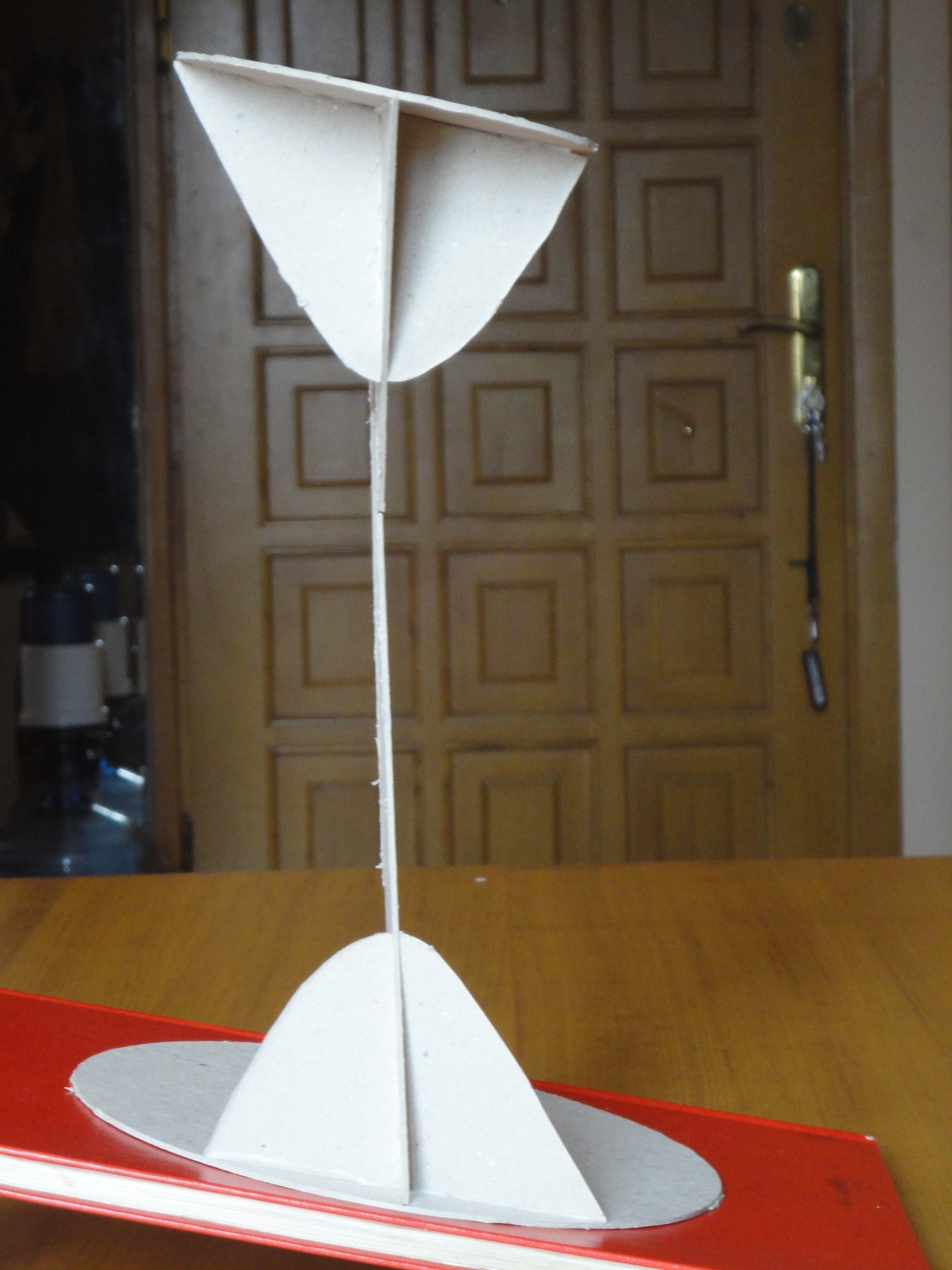

 Polytropy