This essay is written as a distraction from current events, though I make some reference to them. I am prompted by questions of analogy provoked by
- the similes of Homer and
- a recent theater review in Harper’s that mentions the parables of Jesus.

This essay is written as a distraction from current events, though I make some reference to them. I am prompted by questions of analogy provoked by
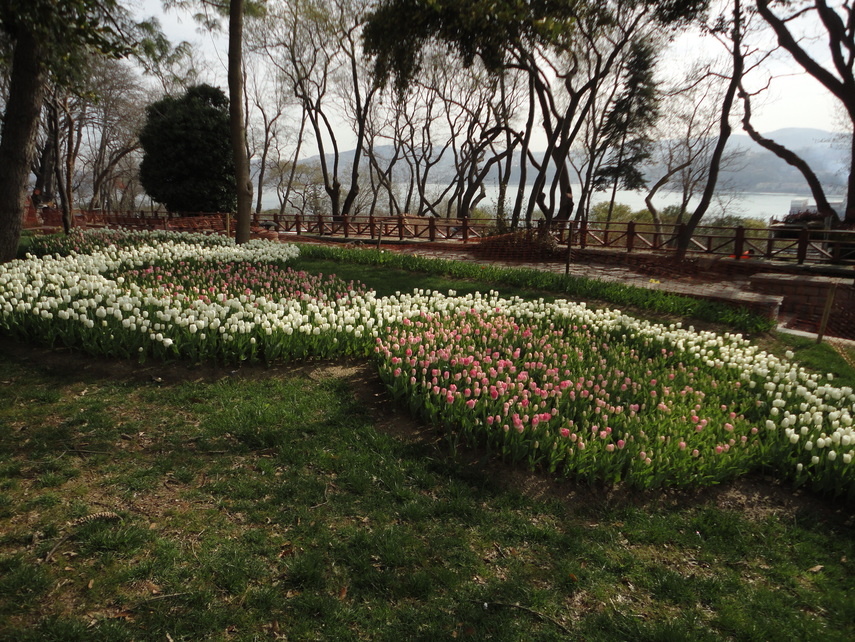
Ayşe was still in Ankara, but I had seen rumors on Twitter that tulips were already blooming in Emirgan Korusu. The bulbs were being dowsed with ice water, lest the flowers be overblown for the Tulip Festival in April. Anyway, I wanted to get away from the crowds of Şişli and Beyoğlu. The morning was mostly sunny. Thus on Saturday, March 12, 2016, I headed out to Emirgan, repeating the trip that we had made the previous April.
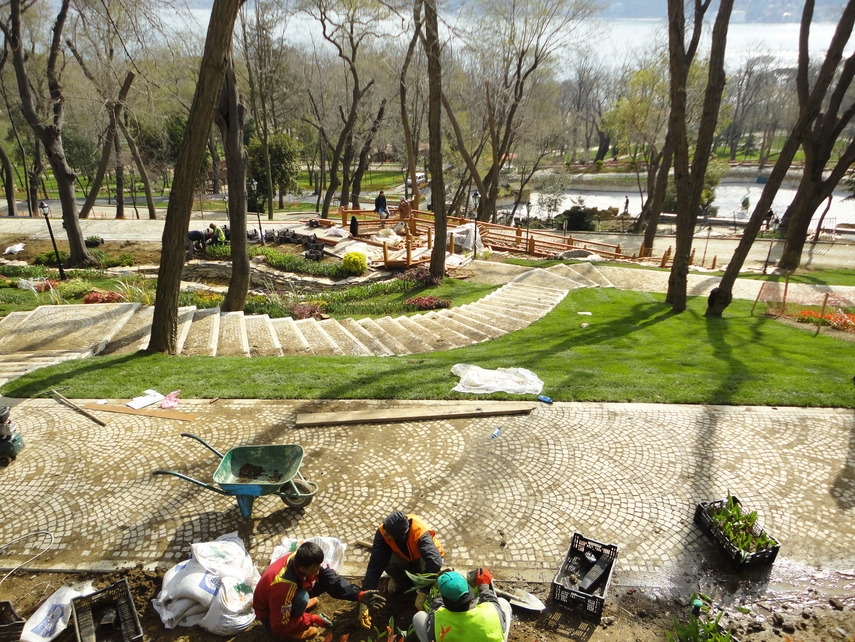
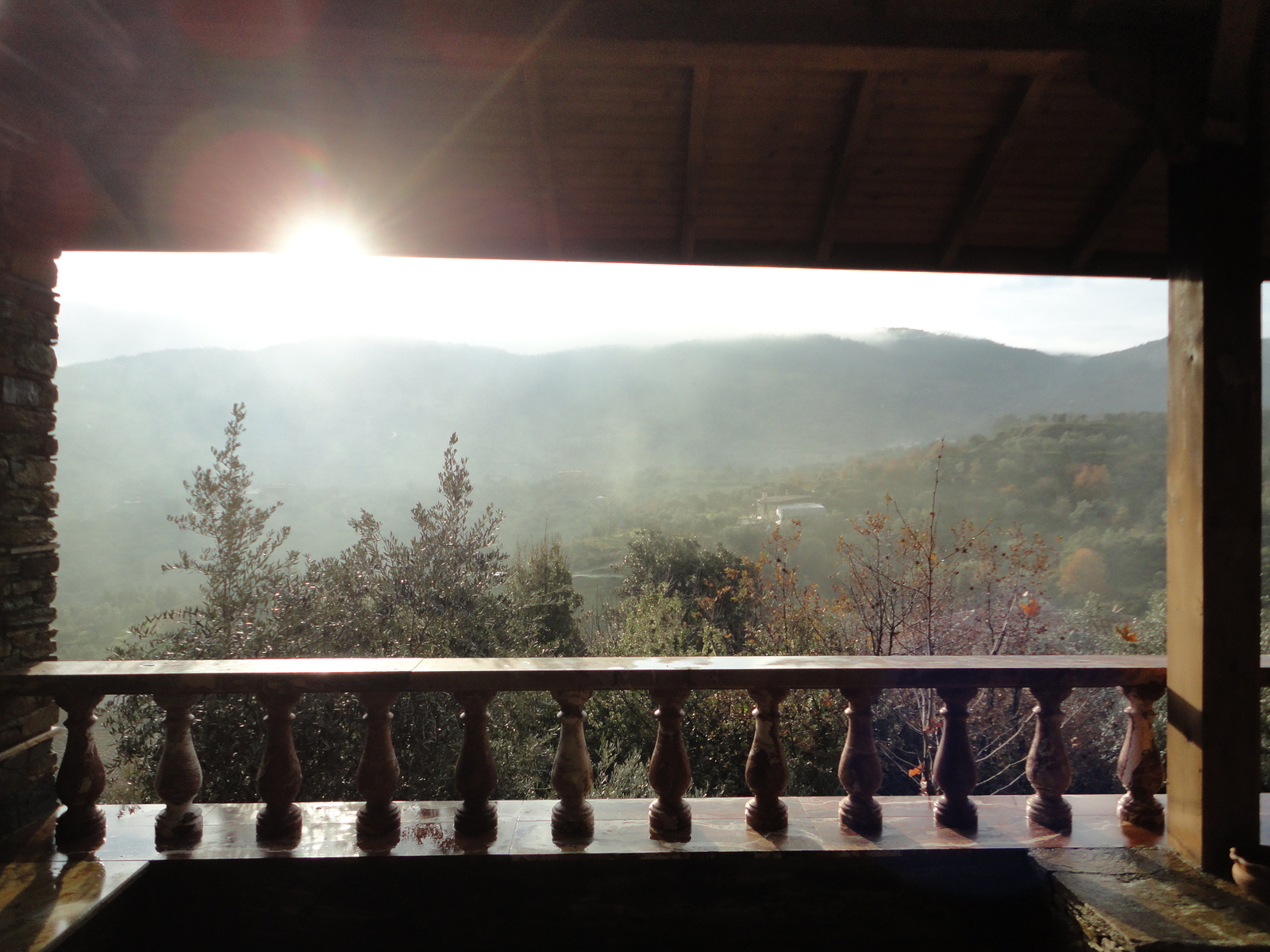
My first visit to the Nesin Mathematics Village was in the summer of 2007. My first course there was in the summer of 2008. I have been back every summer since, sometimes more than once. Now I have visited for the first time in winter. I am in awe. The photographs here are supposed to give you an idea why. Continue reading
Here are assorted photographs, from recent months, along with my reasons for taking them.
In a tweet there was a photograph of a crowd of excited people, all brandishing cellphones, except for this one old woman.
In a session of the 1986–7 senior laboratory at St John’s College in Santa Fe, for reasons that I do not recall, our tutor asked us students whether we had any heroes: for it was said that young people of the day no longer had heroes. None of the students at the table named a hero. I myself refrained from telling how I had once named a hero, when asked to do so in a high-school French class. This hero was the Buddha.
In recent times, I have listed my favorite writers as Somerset Maugham, Robert Pirsig, and R.G. Collingwood. I might add Charlotte Brontë and Mary Midgley to the list. I cannot add the Buddha, because he is not a writer. If my list were of writers and thinkers, I still could not add the Buddha: I cannot know him or any other thinker well enough, except through his own writing. But now I would add Henry David Thoreau. Continue reading
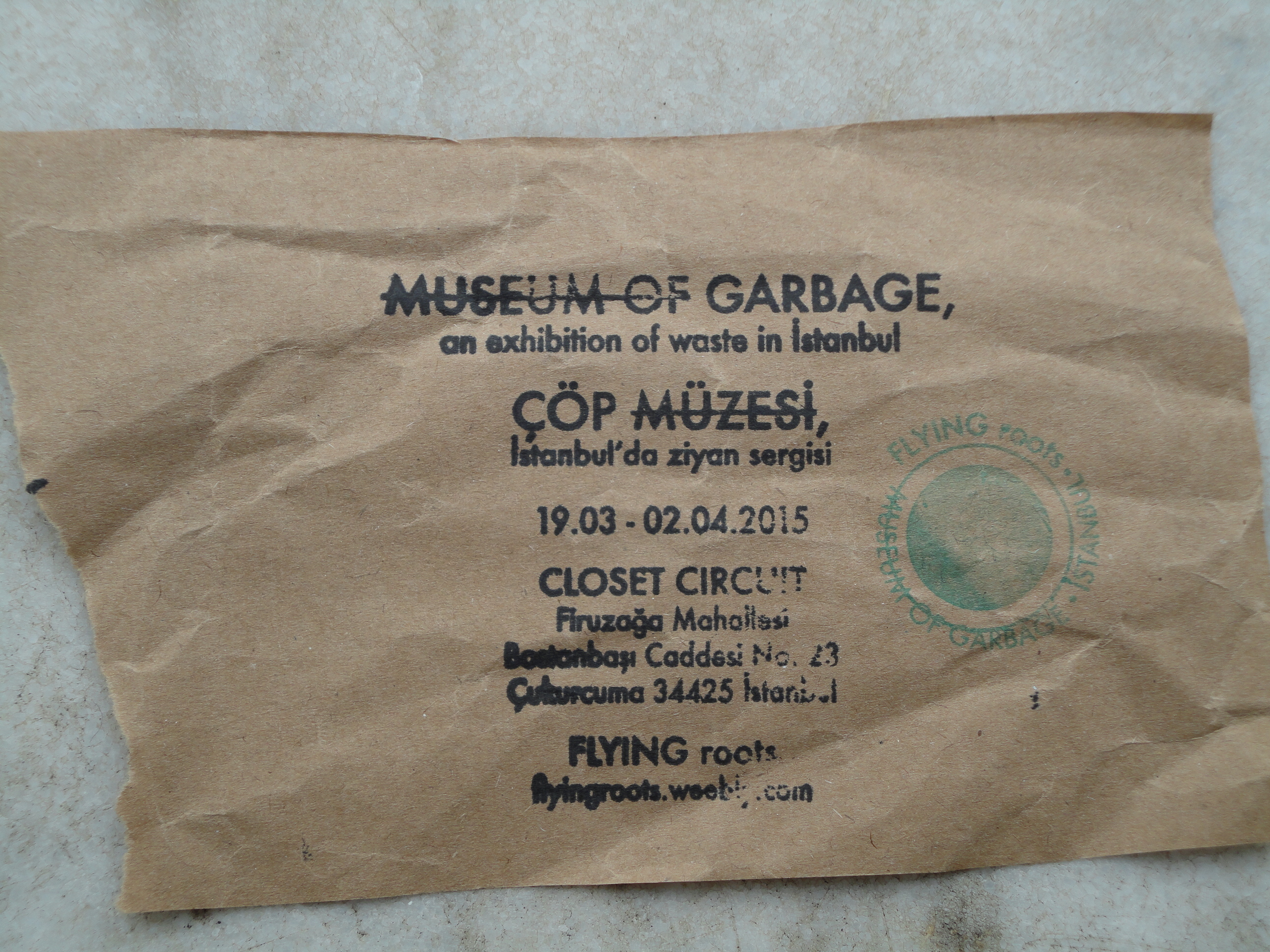
You have got till the Second of April (2015) to visit the Garbage Museum. Details are available on pieces of trash at the museum:
This article is based on quotations from three writers, of three different nationalities, who share a spirit with which I am in sympathy:
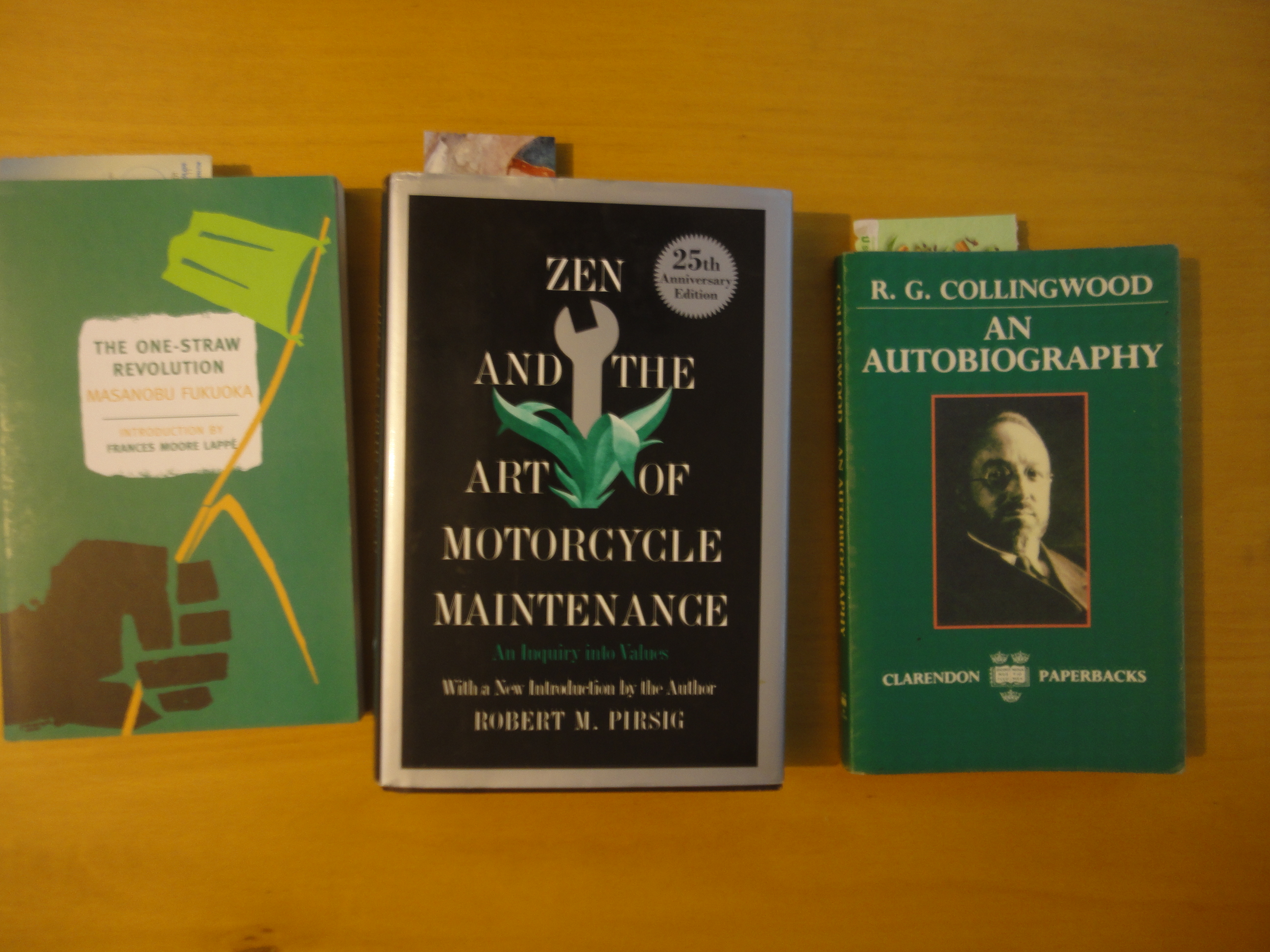
I want to record here an account by Collingwood of Aristotle’s theory of knowledge. The passages quoted below are relevant, both to something I have learned from reading Euclid with students, and to the considerations of consciousness that led to my recent article “Body and Mind.”
The purpose of this article is to record a couple of paragraphs by Mary Midgley about academia today and its judging of people according to numbers of papers published. I have become something of a fan of Midgley. Her field is philosophy, though I think her complaint applies to mathematics or anything else:
This is about the morning of Thursday, December 18, 2014, a morning I spent by the Bosphorus, thinking mostly about poetry, and photographing the sky.