On Plato’s Republic, 13

Index to this series

We reviewed the five kinds of polity and soul in Book VIII of Plato’s Republic, but we didn’t get to the tyrannical soul. We take that up now in Book IX (Stephanus 571–92). We also make three arguments for why the tyrant has the least pleasant life. Finally, in order to pursuade Thrasymachus that indeed injustice is never profitable, we introduce a new chimerical image of the soul.

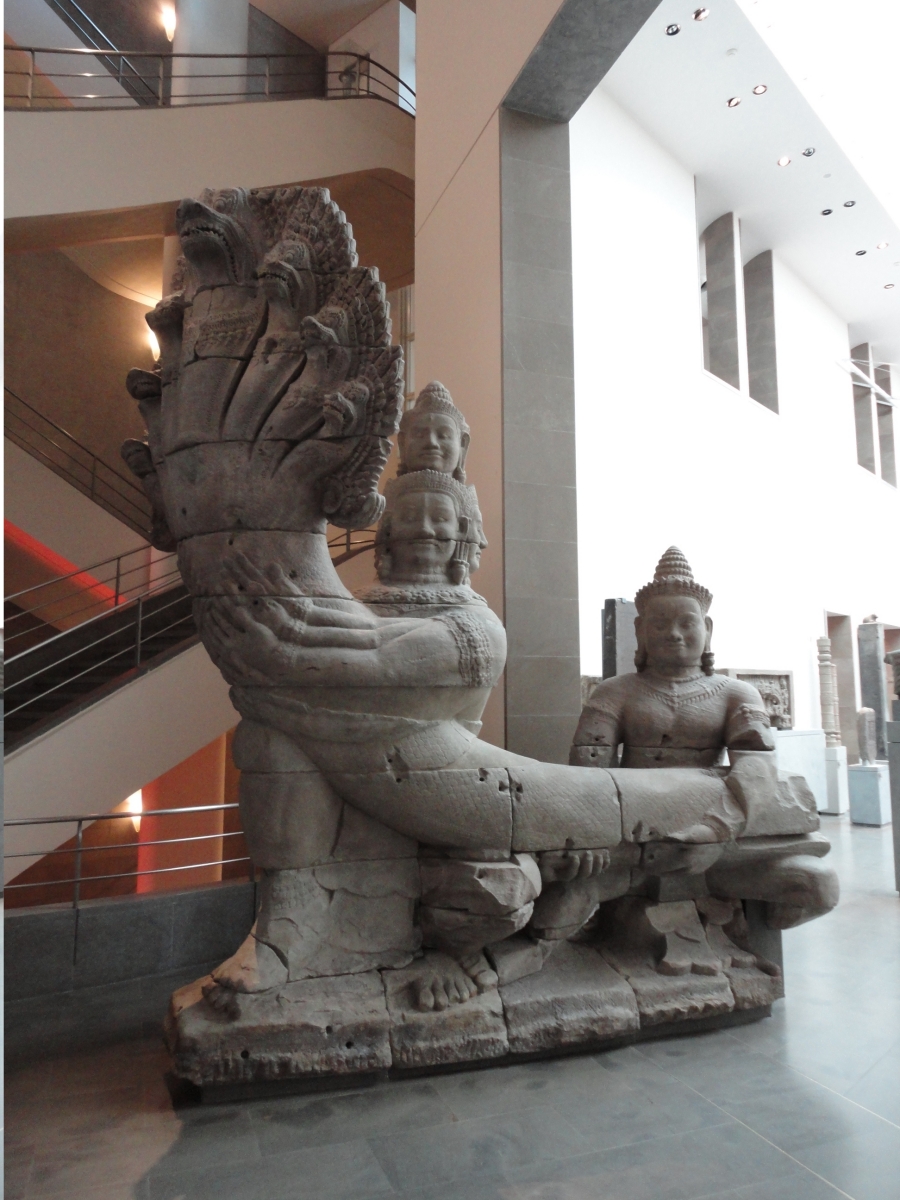
Many-headed man and and another man hold a many-headed serpent
« Chaussée des géants »
Cambodge, Preah Khan, Angkor (province de Siem Reap)
fin du 12e siècle – début du 13e siècle
Musée Guimet, Paris
June 4, 2011

Continue reading

Imagination

When Harry Potter and the Philosopher’s Stone came out in the UK on June 26, 1997, the author was almost thirty-two. I myself had been that age since March. The seventh Harry Potter book came out ten years later. Though I do not remember when I heard that the series had become a sensation, I know I wondered if one day I would see for myself what made the books so popular.

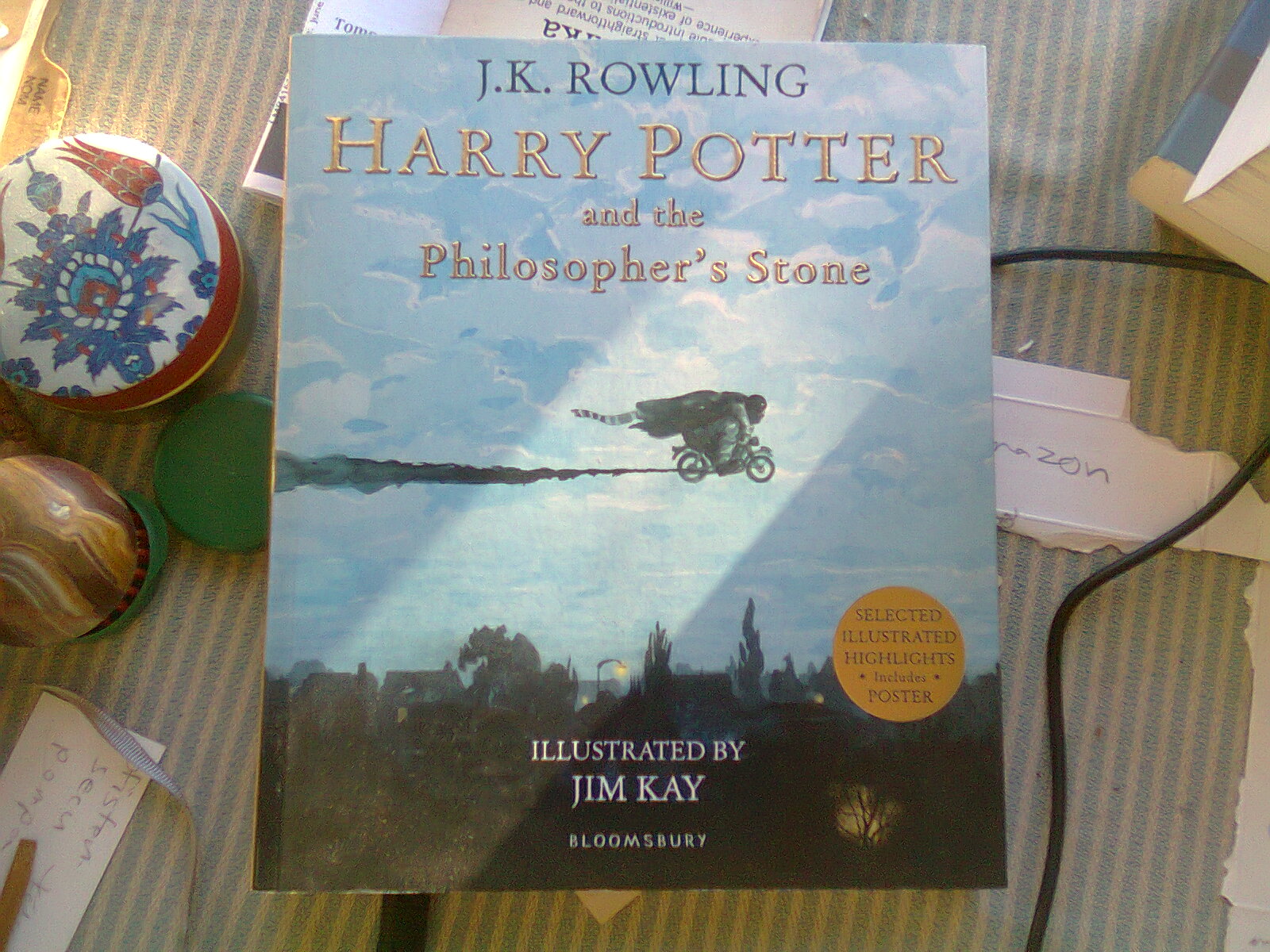
Harry Potter and the Philosopher’s Stone, on a cluttered table

Now I have read the first two books in the series, in part because their author has become popular as a figure of hatred for people who adored her books as children.

Continue reading

On Plato’s Republic, 12

Index to this series

We have completed the long detour of the Three Waves. In Book VIII of Plato’s Republic (Stephanus 543–69c), we return to the degeneration of the polity and the soul.

Rooster facing the sun at the top of a stairway
Freely ranging rooster
Çetin Emeç Park, Beşiktaş, Ιstanbul
November 22, 2021
Born in 1935, journalist Çetin Emeç was assassinated in 1990

Continue reading

Figs

This is about figs, because the opening of “The Sixth Elegy” of the Duino Elegies of Rainer Maria Rilke is about them, and I turn out to live among them.

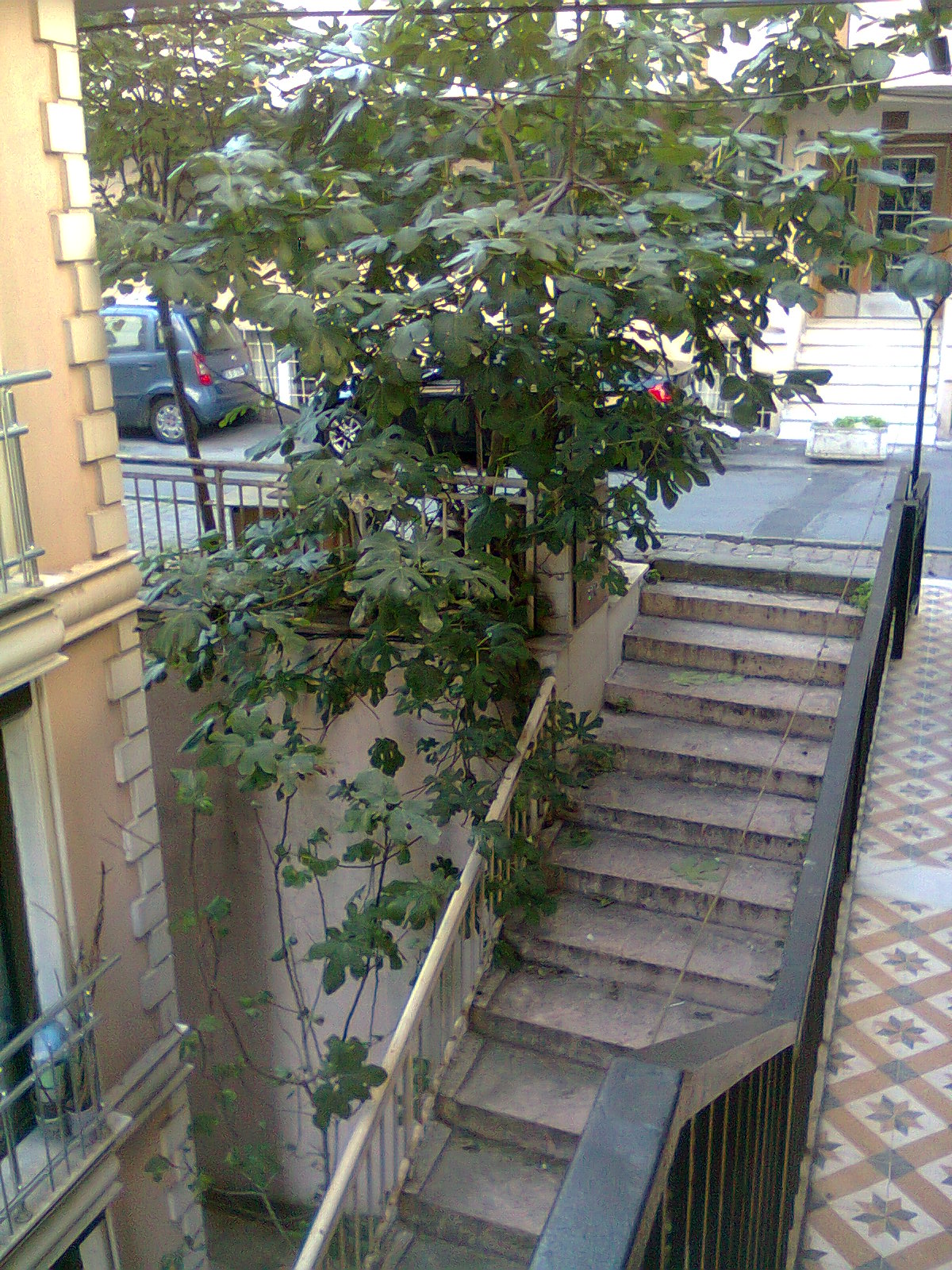
Fig trees growing like weeds on Ayşecik Sokağı
Fulya, Şişli
November 15, 2021

Continue reading

On Plato’s Republic, 11

Index to this series

  • In the fair city of Callipolis (527c), students who pass their exams will become philosophers at the age of fifty (540a).

  • Callipolis itself will come to be, once philosophers seize power in an existing city and throw out everybody over the age of ten (540e).

  • This is all said in play (536c), and play is what children must be allowed to do, since (536e)

    the free man ought not to learn any study slavishly. Forced labors performed by the body don’t make the body any worse, but no forced study abides in a soul.

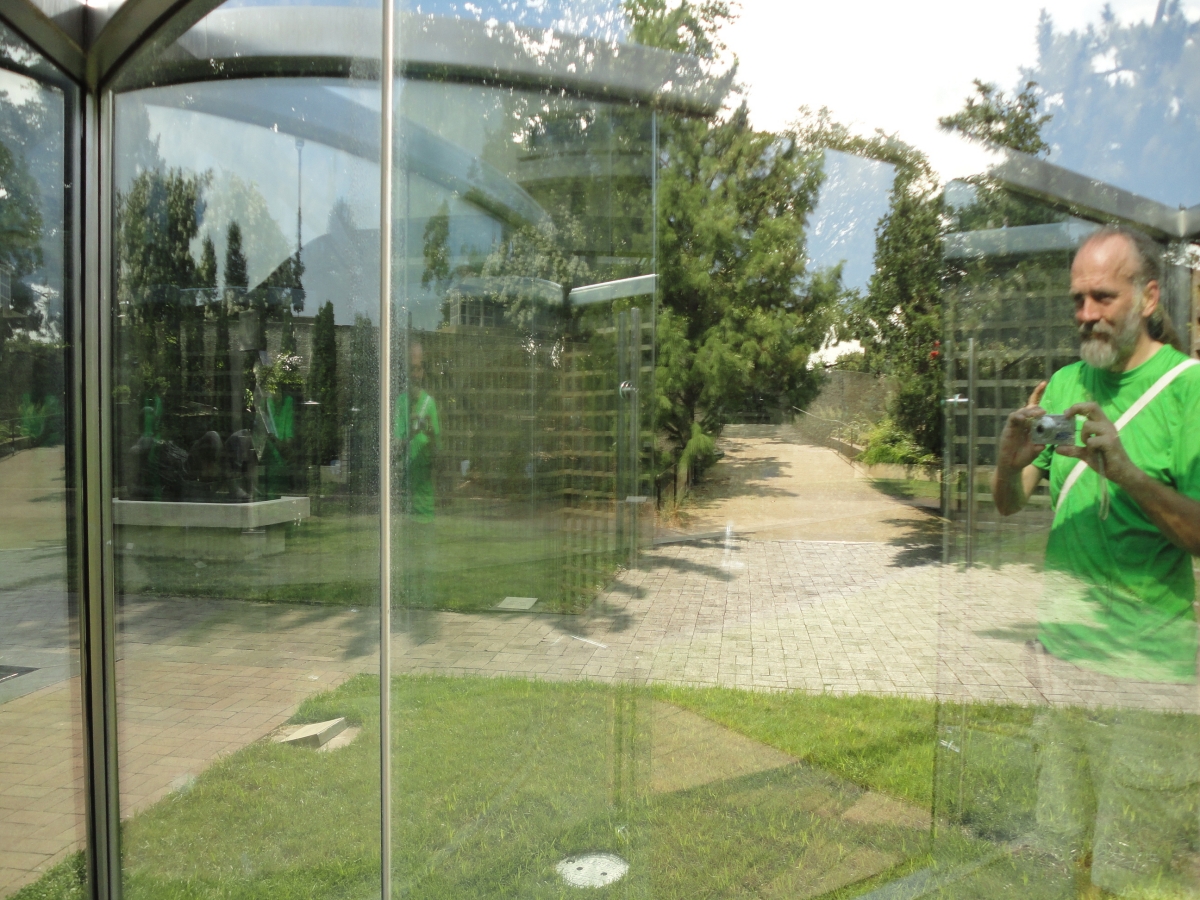
Distorted images in a garden
Dan Graham (b. 1942)
For Gordon Bunshaft
Hirshhorn Museum and Sculpture Garden
Washington DC
July 17, 2013

Continue reading

On Plato’s Republic, 10

Index to this series

In the first part of Book VII of Plato’s Republic, Stephanus 514a–21c, the subject is the Allegory of the Cave and an inference from this:

Education is not the filling of a pail, but the lighting of a fire.

Actually that’s not what Socrates says, although such a saying is attributed to him. He says something close, at least if you think that

  • filling a pail is like putting sight into blind eyes, and
  • lighting a fire is like turning the soul to the light.

They are not that close.

A stairway up in a garden
The way up
Yıldız Parkı, October 25, 2021

Perhaps the actual message of Socrates is opposed to the misattributed saying. Here is what he tells Glaucon at 518b–d:

Continue reading

The Divided Line

Index to this series

We are still in the latter part of Book VI of Plato’s Republic, where Socrates undertakes to explain the education of the philosopher-kings (502c–d). They are not literally so called, as we noted last time. They are going to need to “be able to bear the greatest studies” (503e), and “the idea of the good is the greatest study” (505a). People are confused about what the good is:

  • many say it is pleasure;
  • a few, knowledge (505b).

It rather the case that

  • so the Good makes it possible to have
    • knowledge (508d), and perhaps even
    • pleasure (509a),
  • as the sun makes it possible to see (508b–d).

We looked at that much last time.

Sun through the leaves of planes
Dünya Barış Parkı 2021.10.30

Continue reading

On Plato’s Republic, 9

Index to this series

We reach now the Analogy of the Sun and the associated Divided Line.

Among pines, a palm tree with highest fronds lit by the setting sun
The highest fronds take the setting sun in Altınova
September 27, 2021

Continue reading

On Plato’s Republic, 8

Index to this series

Plato is somehow quite challenging in the present reading, which is the first part (Stephanus 484–502d) of Book VI of the Republic. Socrates tries to work out the third wave from the previous reading. Significant features are several analogies or figures:

  • city as ship whose sailors neither know how to sail nor want to know;
  • people and sophist as beast and zoologist or zookeeper;
  • ruler as painter who compares a canvas with what the mind’s eye sees;
  • philosopher as seed that needs good soil, lest it become a noxious weed.

I concurrently discuss the Republic readings in a group formed through the Catherine Project, which now has the website just linked to. The same was true for Pascal in the winter and Chaucer in the summer.

Bookshelves in morning sun
Ayşecik Sokağı, Fulya, Şişli, İstanbul, October 14, 2021.
The order of the books on the shelves of the cases being like that of words on the lines of pages of an individual book, the ordering is chronological, by birth date of author, editor, or personal subject. The youngest author for now is Sally Rooney, and Zena Hitz is on the same shelf. Plato is on the opposite wall.

Continue reading

On Plato’s Republic, 7

Index to this series

(Note added October 23, 2022.) As I return to the analysis of the philosopher in the Republic, I think of two or three recent encounters with resistance to what I would call philosophical thought. See my comments added at the end. Meanwhile, here is a table contents for this post:

The Philosopher

We are going to define the lovers of knowledge or wisdom: the philosophers. Socrates’s definition is at Stephanus 480a, at the end of our seventh reading in Plato’s Republic. The reading constitutes, of Book V, the latter part, beginning at 472a. Socrates concludes,

Τοὺς αὐτὸ ἄρα ἕκαστον τὸ ὂν ἀσπαζομένους
φιλοσόφους ἀλλ’ οὐ φιλοδόξους κλητέον.

We might translate the first part word by word as follows.

τοὺς αὐτὸ ἄρα ἕκαστον τὸ ὂν ἀσπαζομένους,
those-who-are itself therefore each thing-that-is being delighting-in.

The whole sentence then is literally,

Therefore those who are delighting in each thing that is being, itself,
are to be called philosophers, but not “philodoxers.”

Here are five published translations; take your pick.

Continue reading