Tag Archives: Julian Baggini

A Five Line Locus

In high school, if not sooner, one learns theorems established more than two millenia ago by Euclid and Archimedes. I am thinking of the theorems expressed today by the equations

𝐶 = 2π𝑟,
𝐴 = π𝑟²

for the circumference and area of a circle whose radius is 𝑟, and

𝐴 = 4π𝑟²,
𝑉 = (4/3)π𝑟³

for the surface area and volume of a sphere whose radius is 𝑟. One may also learn about the curves that Apollonius called parabola, ellipse, and hyperbola and that are given today by instances of the general quadratic equation

𝐴𝑥² + 𝐵𝑥𝑦 + 𝐶𝑦² + 𝐷𝑥 + 𝐸𝑦 + 𝐹 = 0.

Such notation as this was introduced in the seventeenth century by Descartes, who apparently used it also to understand the curve given by the cubic equation

(𝑦² − 𝑎²)(𝑦 − 𝑏) = 𝑎𝑥𝑦.

Decartes showed that the curve in question could be generated as in the animation below, where a parabola slides along its axis, and a straight line has one point fixed and one point moving with the parabola, and the points of intersection of this straight line with the parabola give us the desired curve.
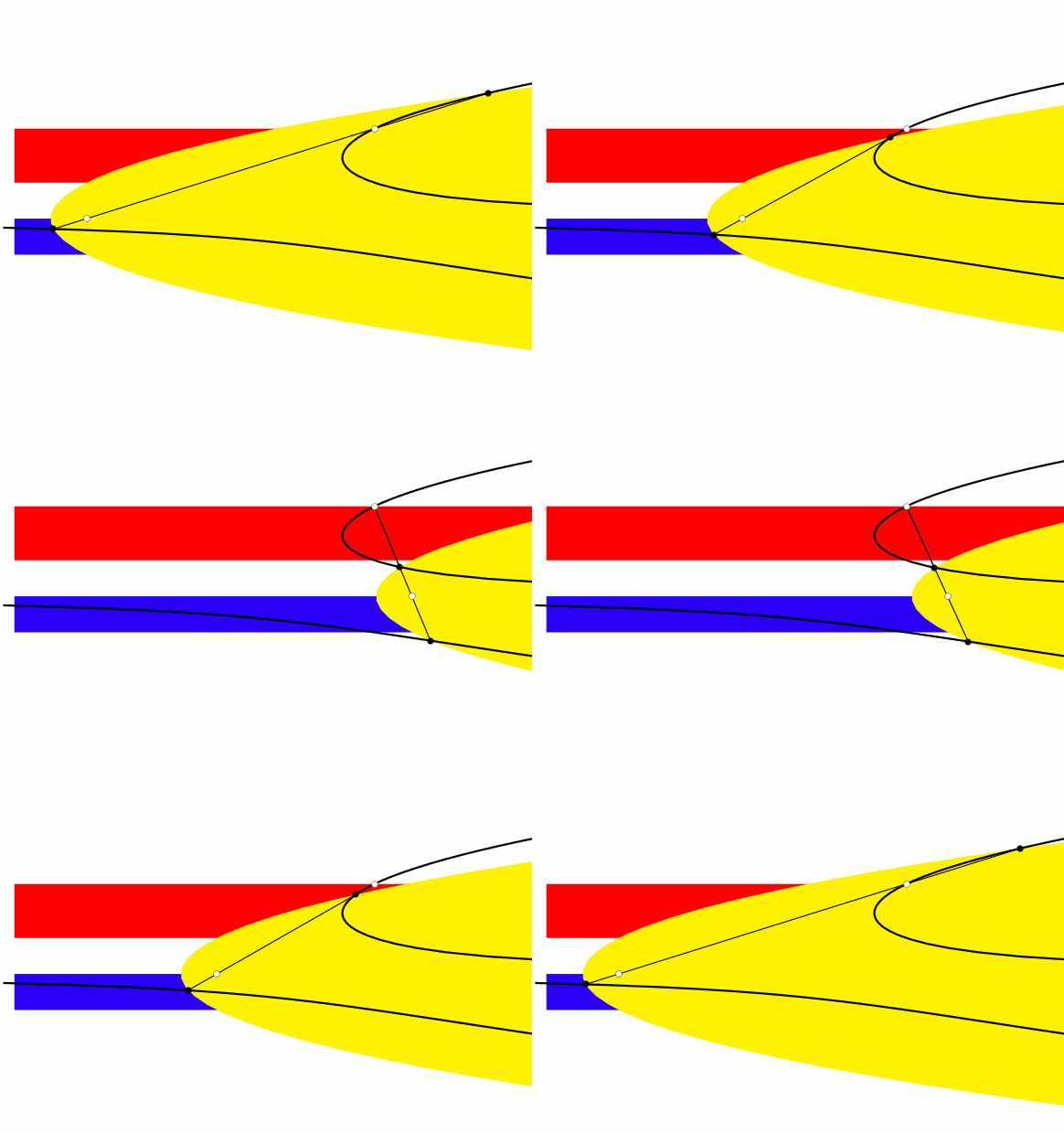
Animation described in text

Continue reading

Dicaeology

Our topic now is justice, in two senses:

  1. Lawfulness.
  2. Equity.

That doesn’t mean we’re talking about equality before the law. Instead of lawfulness and equity, we might refer to morality and fairness. What we are really trying to do is understand what Aristotle means, when he says that “the dikaion” (τὸ δίκαιον) is one of the following:

  1. “The nomimon” (τὸ νόμιμον).
  2. “The ison” (τὸ ἴσον).

Why would we want to do understand this? Well, that last Greek word appears as a suffix in isoskeles (ἰσοσκελής), which has become our word “isosceles” for the same thing. The ison is the equal. A triangle is isosceles when two of its legs are equal. Each of those legs is a skelos (σκέλος), while the remaining side is the basis (βάσις), the base.

Two books: Zen and the Art, and the Guidebook to it, the latter featuring an image of the former on its cover; the top of a pine tree beyond, and beyond that, more trees and an apartment building

Continue reading

On The Human Condition of Hannah Arendt 3

Index to this series

CHAPTER II The Public and the Private Realm [2]

Contents:

The first three sections of the chapter were the previous reading.

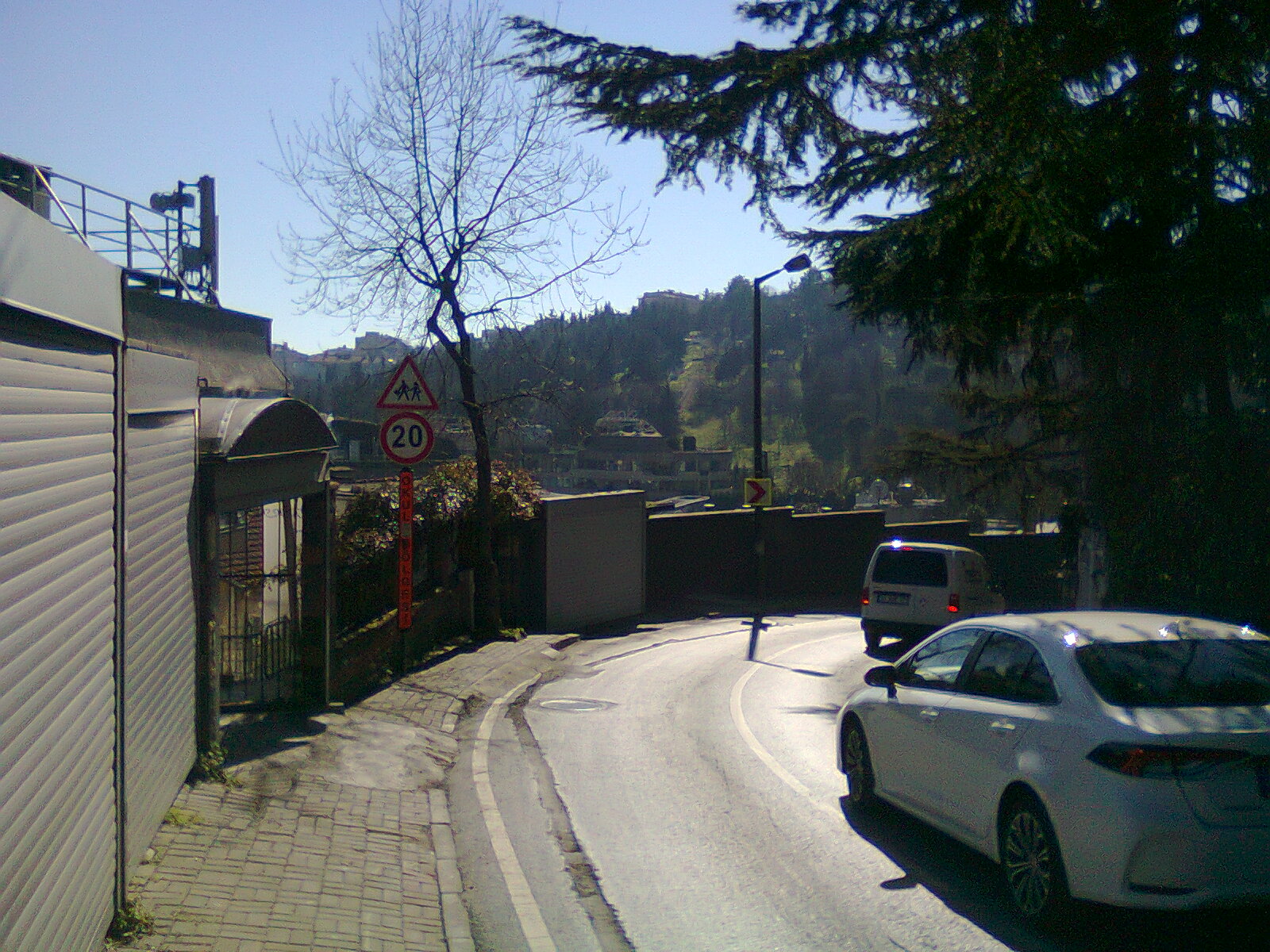
Road scene: Two lanes, narrow sidewalk, then garage doors and walls; but beyond, a green hillside

The descent to Ortaköy
February 12, 2022

Key words

Public, private, intimate, real, relevant, wisdom, goodness, love.

I am not sure what use such a list is, but there it is. “Relevant” is used a number of times, and I do not really know why.

Questions

Autocracy

Arendt published The Origins of Totalitarianism in 1951. Just from what we have read in The Human Condition though, what can she tell us about the autocrat?

Continue reading

Gödel, Grammar, and Mathematics

Preface

This attempt at exposition of Gödel’s Incompleteness Theorem was inspired or provoked by somebody else’s attempt at the same thing, in a blog post that a friend directed me to. I wanted in response to set the theorem in the context of mathematics rather than computer science.

Continue reading

Imagination

When Harry Potter and the Philosopher’s Stone came out in the UK on June 26, 1997, the author was almost thirty-two. I myself had been that age since March. The seventh Harry Potter book came out ten years later. Though I do not remember when I heard that the series had become a sensation, I know I wondered if one day I would see for myself what made the books so popular.

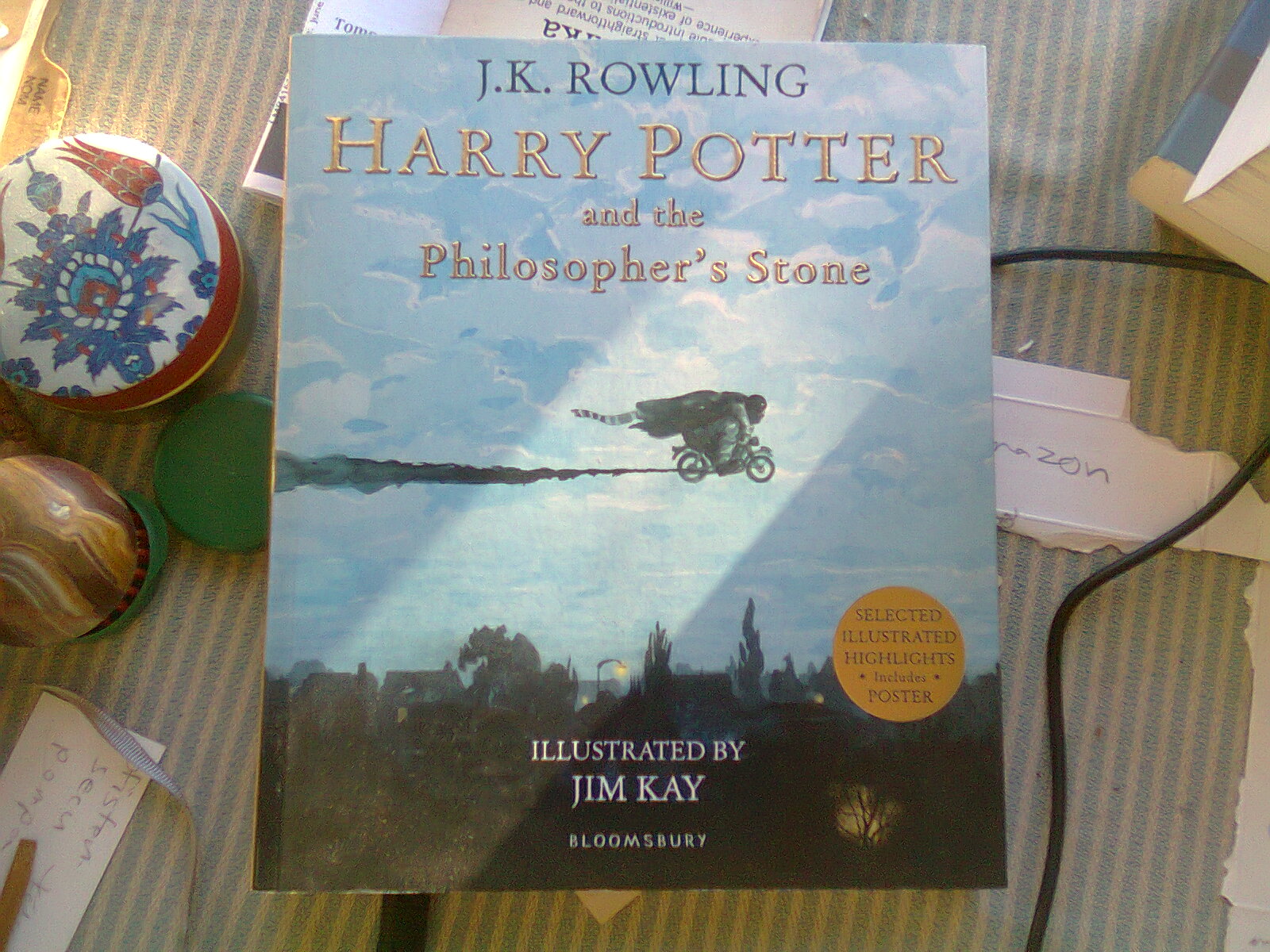
Harry Potter and the Philosopher’s Stone, on a cluttered table

Now I have read the first two books in the series, in part because their author has become popular as a figure of hatred for people who adored her books as children.

Continue reading

NL XL: Peace and Plenty

Index to this series

With “Peace and Plenty,” we reach the end of the account of civilization in Collingwood’s New Leviathan. What remains is the account of barbarism. Strictly speaking, we little need it. Civilization quâ ideal of civility is the positive end of civilization quâ process, and as was pointed out on Chapter XXXII, “Society and Nature in the Classical Politics,” the positive end is the primary thing to know in conducting a process (32. 35–6).

“May Day, 1929,” V. V. Kuptsov

Continue reading

What Philosophy Is

With my presumptuous title, I imitate Arthur Danto’s What Art Is (2013), mentioned in my last post, “Some Say Poetry.” The book is fine, and I have learned from it; but Danto could have learned from Collingwood’s Principles of Art.

Picasso, The Tragedy (1903), National Gallery of Art, Washington Continue reading