Category Archives: Education

What I loath about Facebook

I wrote the polemic below as a comment on Facebook, in both senses. I was responding to a Johnnie friend’s comment, “David Pierce loathes fb as a forum for real discussion.” “Johnnies” are alumnae and alumni of St John’s College, the one with campuses in Annapolis and Santa Fe. My own view of our College is expressed in an article called simply St John’s College published in the De Morgan Journal in 2012. Since then, I have written about the College in the present blog, Continue reading

Impressionism

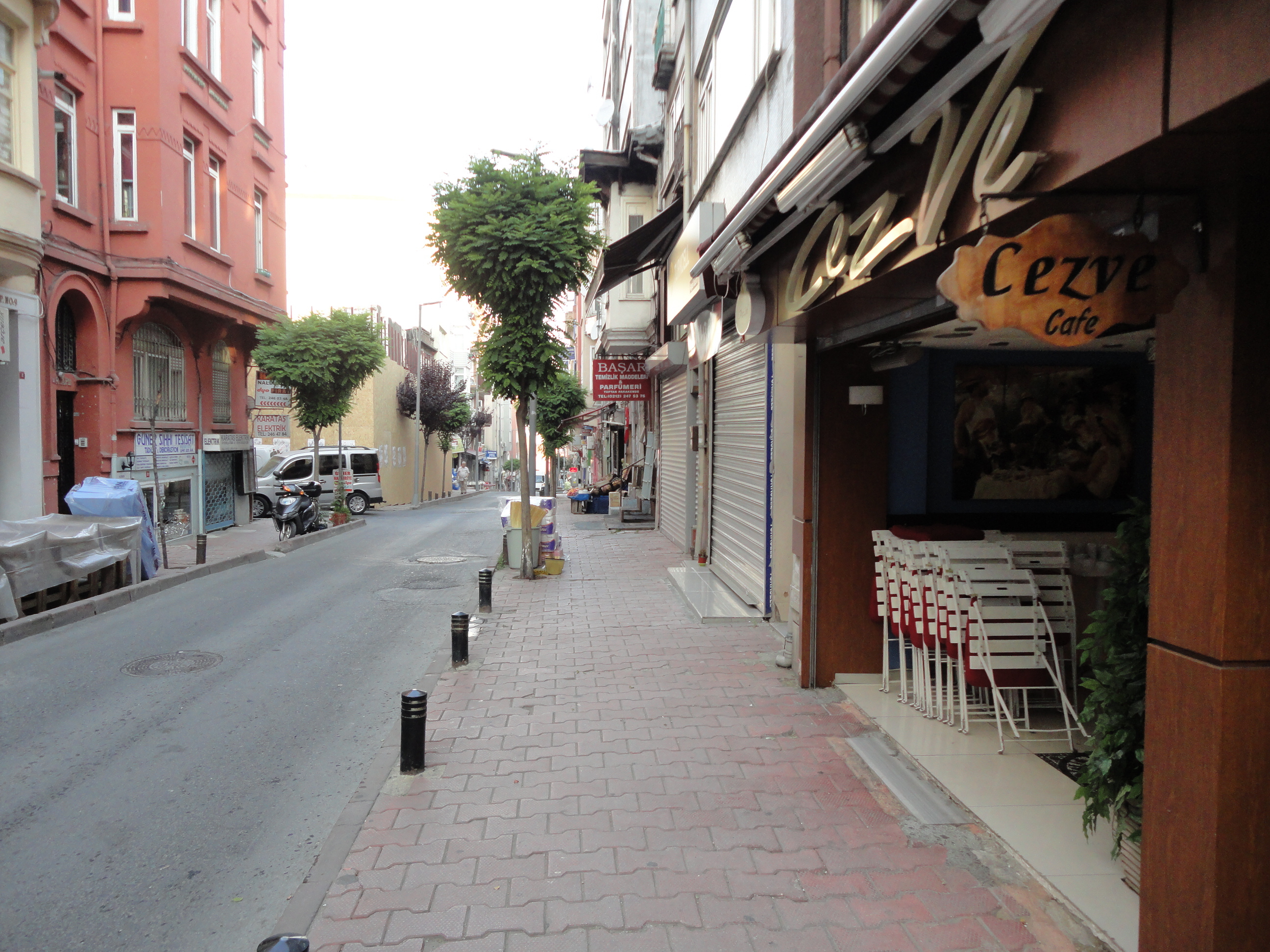
I went early to the office on Tuesday morning, June 17, 2015. On Harzemşah Sokağı in the Merkez (Center) Mahalle of Şişli, Istanbul, I paused to note a cafe decorated with the “Luncheon of the Boating Party.”

Reproduction of “Boating Party” on wall of an alcove; folded chairs below

That alcove from the street

Continue reading

Visit to the Garbage Museum

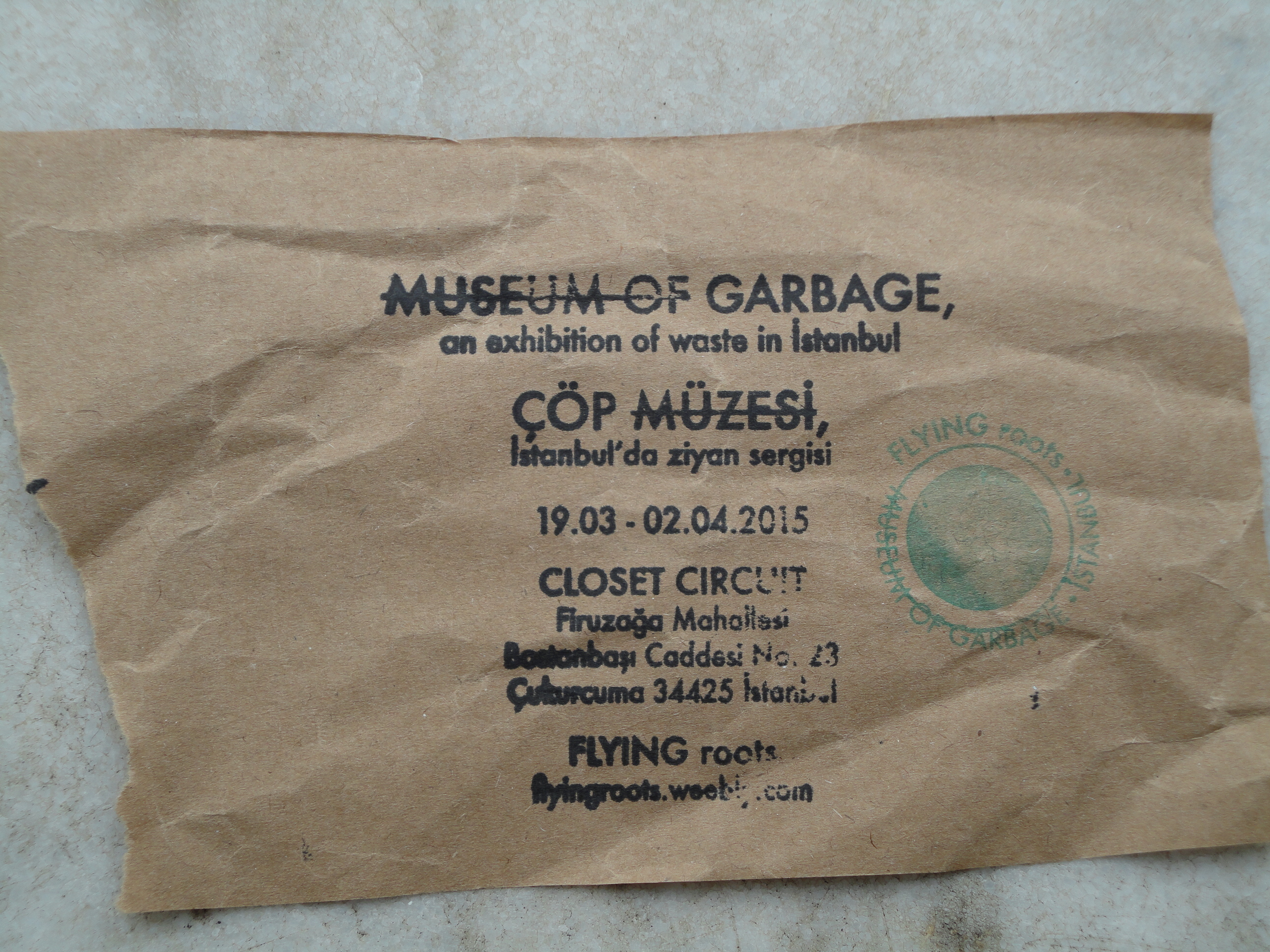
You have got till the Second of April (2015) to visit the Garbage Museum. Details are available on pieces of trash at the museum:

DSC03197
Continue reading

Liberation

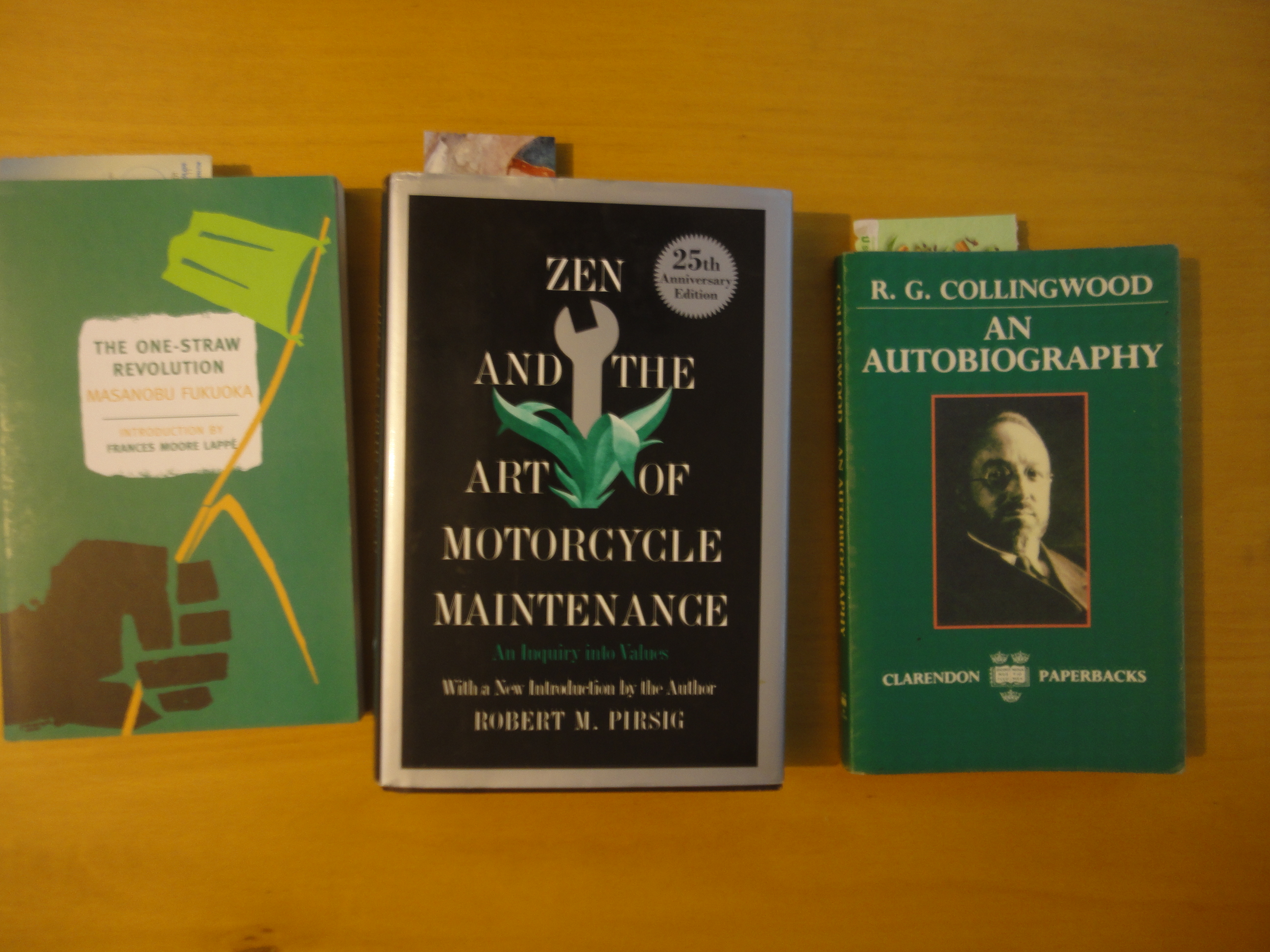
This article is based on quotations from three writers, of three different nationalities, who share a spirit with which I am in sympathy:

Fukuoka
“The ultimate goal of farming is not the growing of crops, but the cultivation and perfection of human beings.”
Pirsig
“The real cycle you’re working on is the cycle called ‘yourself.’ ”
Collingwood
“I thought that the democratic system was not only a form of government but a school of political experience coextensive with the nation.”

The books quoted here: The One-Straw Revolution, Zen and the Art of Motorcycle Maintenance, and An Autobiography. They all have on their covers a similar forest green, along with black

Continue reading

The Peace of Liberal Education

The wall of Dolmabahçe Sarayı, January 11, 2015

The wall of Dolmabahçe Sarayı, January 11, 2015

The occasion of this article is my discovery of a published Turkish translation of Collingwood’s Speculum Mentis or The Map of Knowledge (Oxford, 1924). Published as Speculum Mentis ya da Bilginin Haritası (Ankara: Doğu Batı, 2014), the translation is by Kubilay Aysevenler and Zerrin Eren. Near the end of the book, Collingwood writes the following paragraph about education, or what I would call more precisely liberal education. The main purpose of this article then is to offer the paragraph to any reader who happens to stop by.

Continue reading

Bosphorus Sky

This is about the morning of Thursday, December 18, 2014, a morning I spent by the Bosphorus, thinking mostly about poetry, and photographing the sky.

Seagulls against clouds and a brighter sea

Continue reading

Mîna Urgan on alphabets & Atatürk

mina-urgan-paragraf

In the news in Turkey lately (December 2014) is the vow or threat of the President to make lessons in Ottoman Turkish compulsory for Turkish schoolchildren. How realistic the threat is, I do not know. There is the Constitutional question of what the President’s powers actually are. There is also the practical question of whether it is even possible for most Turkish students to learn Ottoman. Foreign language education in Turkey is not generally very good; and as far as I can tell, Ottoman Turkish is practically a foreign language now. Two paragraphs from Geoffrey Lewis’s Turkish Grammar (Oxford, 1967, pages xx–xxi) are very interesting in this regard:

Continue reading

Hands on ≠ Minds on

I “reblog” an article about a history lesson in which students knock down a mock-up of the Berlin Wall. I think this “reenactment” (in the quotation in the re-blogged post) of the demolition of the Berlin Wall is just what Collingwood said (in An Autobiography) was not doing history. Here follows Collingwood:

I expressed this new conception of history in the phrase: ‘all history is the history of thought.’ You are thinking historically, I meant, when you say about anything, ‘I see what the person who made this (wrote this, used this, designed this, &c.) was thinking.’ until you can say that, you may be trying to think historically, but you are not succeeding. And there is nothing except thought that can be the object of historical knowledge. Political history is the history of political thought: not ‘political theory’, but the thought which occupies the mind of a man engaged in political work: the formation of a policy, the planning of means to execute it, the attempt to carry it into effect, the discovery that others are hostile to it, the devising of ways to overcome their hostility, and so forth…Military history, again, is not a description of weary marches in heat or cold, or the thrills and chills of battle or the long agony of wounded men. It is a description of plans and counter-plans: of thinking about strategy and thinking about tactics, and in the last resort of what men in the ranks thought about the battle.

On what conditions was it possible to know the history of a thought? First, the thought must be expressed: either in what we call language, or in one of the many other forms of expressive activity…Secondly, the historian must be able to think over again for himself the thought whose expression he is trying to interpret…If some one, hereinafter called the mathematician, has written that twice two is four, and if some one else, hereinafter called the historian, wants to know what he was thinking when he made those marks on paper, the historian will never be able to answer this question unless he is mathematician enough to think exactly what the mathematician thought, and expressed by writing that twice two are four. When he interprets the marks on paper, and says, ‘by these marks the mathematician meant that twice two are four’, he is thinking simultaneously: (a) that twice two are four, (b) that the mathematician thought this, too; and (c) that he expressed this thought by making these marks on paper…

This gave me a second proposition: ‘historical knowledge is the re-enactment in the historian’s mind of the thought whose history he is studying.’

grantwiggins's avatarGranted, and...

from today’s Smartbrief:

Student members of the Young Americans for Freedom at a school in Rome, Ga., marked the 25th anniversary of the fall of the Berlin Wall and the reunification of Germany with a re-enactment at their school. They knocked down a graffiti-covered, 12-foot-long wall made from wood for the dramatization. “It is great to see them internalizing the lessons of history and exhibiting the power of freedom,” said Brad Poston, history department chair.

By that argument, burning down the school would be a rich learning activity in support of “internalizing the lessons of history” of the urban riots of the 60s.

When, oh when, will teachers truly understand the difference between fun activity and experiential well-designed learning?

View original post

The Hyperbola

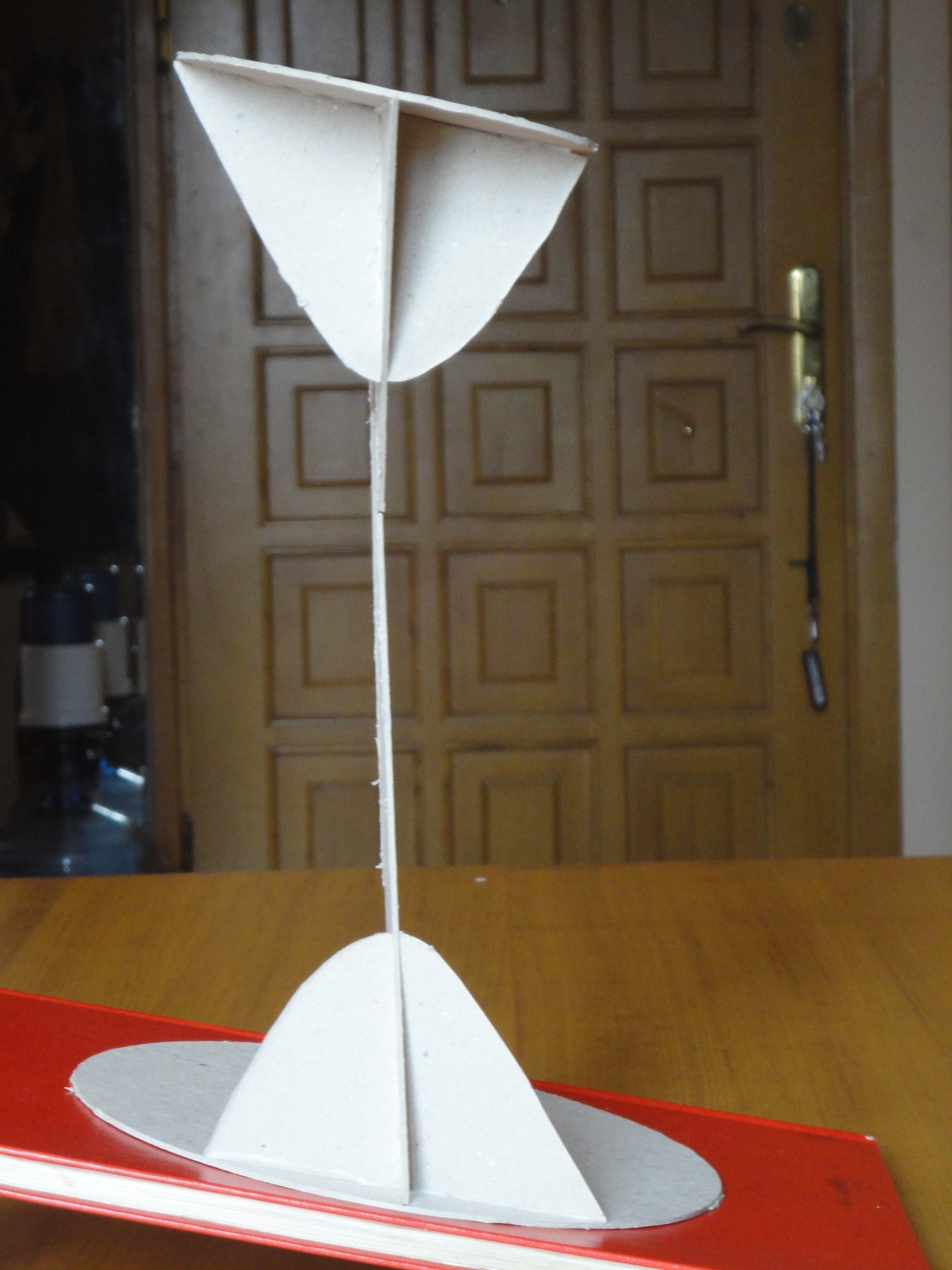
Here is the model that I made of the hyperbola, or rather the conjugate hyperbolae, as Apollonius calls them.

Conjugate hyperbolae and their common diameter

Conjugate hyperbolae and their common diameter


Continue reading

Freedom

How do our thoughts age?

Having written recently that natural science was not history of nature, I looked back at Collingwood’s posthumous Principles of History for his arguments about this. I read his discussion of freedom as what distinguishes history from natural science. I recalled that his earlier writing was more concerned with removing distinctions than drawing them.

This is something that I investigate here. I occasionally encounter denials that we have “free will.” I find such denials bizarre; but evidently some people believe them, or at least believe they are worthy of consideration. I find Collingwood’s own account of freedom to be worthy of consideration. But then, considering this along with the rest of his œuvre, I have to conclude that everything is free. This conclusion is not really new to me; I drew such a conclusion as an adolescent. It may be a common thought. Wordsworth seems to have had such a thought, according to his Ode:

Continue reading