Tag Archives: Anaxagoras

Motion and Rest

This is mostly about Goethe’s Faust, but it was not going to be. Faust says he never wants to sit still. It doesn’t seem like a great idea.

Parthenon

Athens, Monday, July 10, 2017

If, as Wikipedia now mentions, and John Warner discusses in the fittingly titled “That’s Not What Lolita Is About” (November 16, 2025) – if Elisa New recommended that Jeffrey Epstein read Lolita (which I have read) and My Antonia (which I haven’t), why not Faust?

Continue reading

Mind (Iliad Book XVII)

At the end of Book XVI of the Iliad, Hector

  • pulled his spear from the body of Patroclus,
  • took off in pursuit of Automedon, his victim’s charioteer, who was being drawn by Achilles’s immortal horses.

Around the mossy trunk of a plane tree, four chickens—two white, one brown, one black—scratch in the little dirt that has been left uncovered by the setts that pave a road through a settlement
Postacı Halil Sokağı (Street of Halil the Postman)
Tarabya (Θεραπειά), Sarıyer, Istanbul
Thursday morning, March 2, 2023

Continue reading

On Knowing Ourselves

In a 2012 post in this blog, I criticized a 2009 essay called “50 Years of Stupid Grammar Advice.” The putative advice was that of Strunk and White. However, what these two had written was not the elements of grammar, but The Elements of Style. They gave style advice by precept and example. The advice is good, if well understood. The critic should recognize that, as I wrote, “Rules of style are supposed to induce thinking, not obedience.”

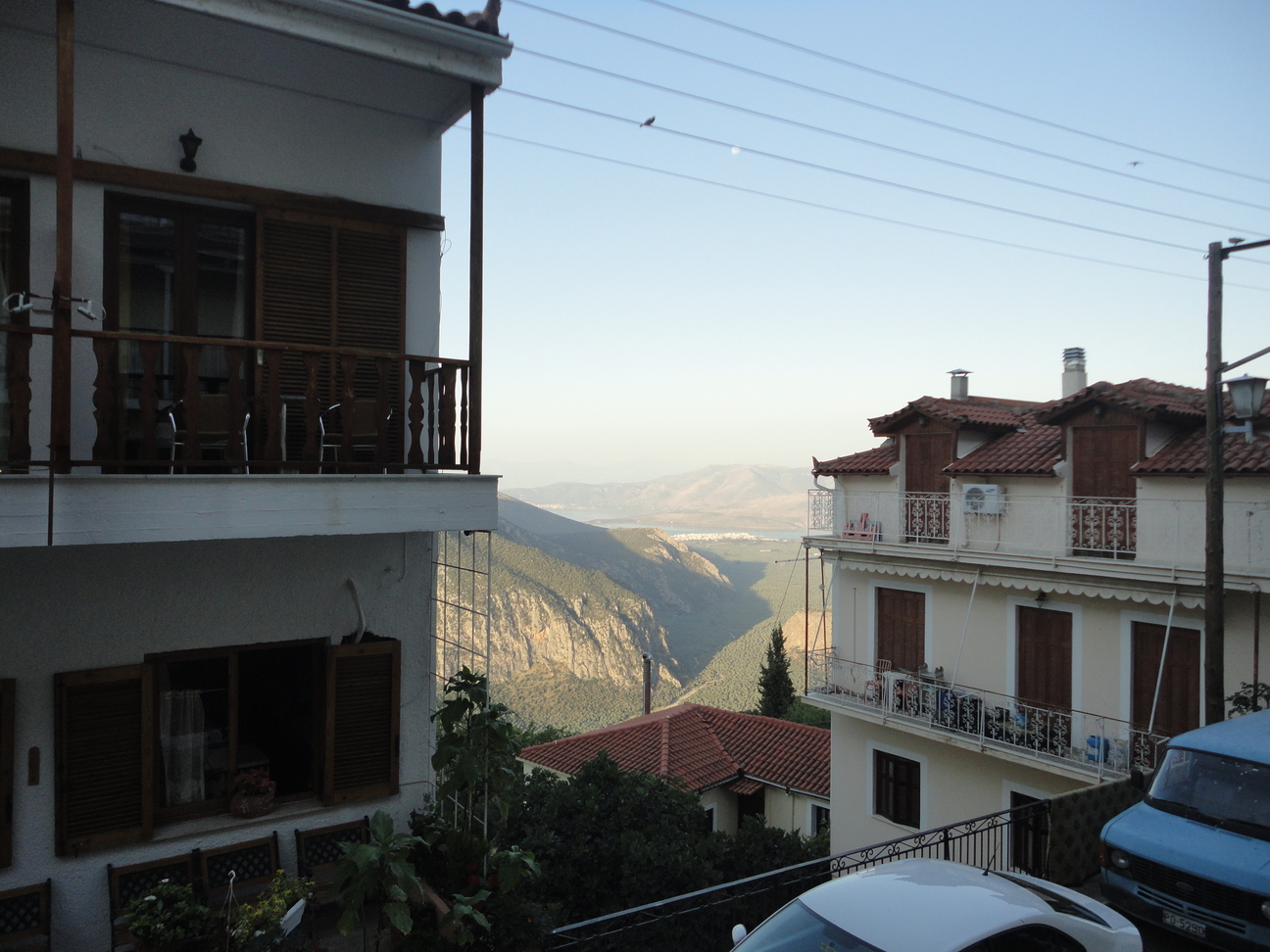
View between two hotel buildings from one mountainside to another, with a bit of the sea beyond
All photos taken in Delphi, July 12–14, 2017

Continue reading

War and Talk

This is a foray into the mystery of how things happen, based the 164th of the 361 chapters of War and Peace. This chapter contains, in a one-sentence paragraph, a summary of Tolstoy’s theory of history:

Each man lives for himself, using his freedom to attain his personal aims, and feels with his whole being that he can now do or abstain from doing this or that action; but as soon as he has done it, that action performed at a certain moment in time becomes irrevocable and belongs to history, in which it has not a free but a predestined significance.

Continue reading

Thales of Miletus

This is about Thales of Miletus and what it means to study him. I am moved to ask what history is in the first place. It is a study of the freedom in which we face our conditions. Thales had his way of understanding the world, and we may benefit from trying to learn it.

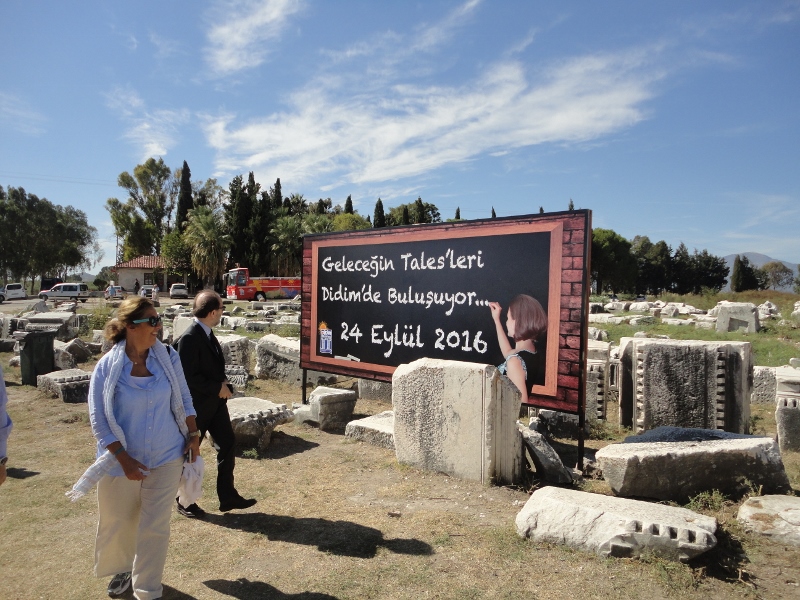
“The Thaleses of the future are meeting in Didim, September 24, 2016”

“The Thaleses of the future are meeting in Didim,
September 24, 2016”

Continue reading