Our subject is pleasure as such. The Greek word is ἡδονή, which is both
- the source of hedonism and
- the cousin of sweetness.
The shared Indo-European root of the adjectives ἡδύς and sweet is *su̯ād-, and its existence is a symbol for a lot of what Aristotle has to say, here in the final chapters, xi–xiv, of Book VII of the Nicomachean Ethics.

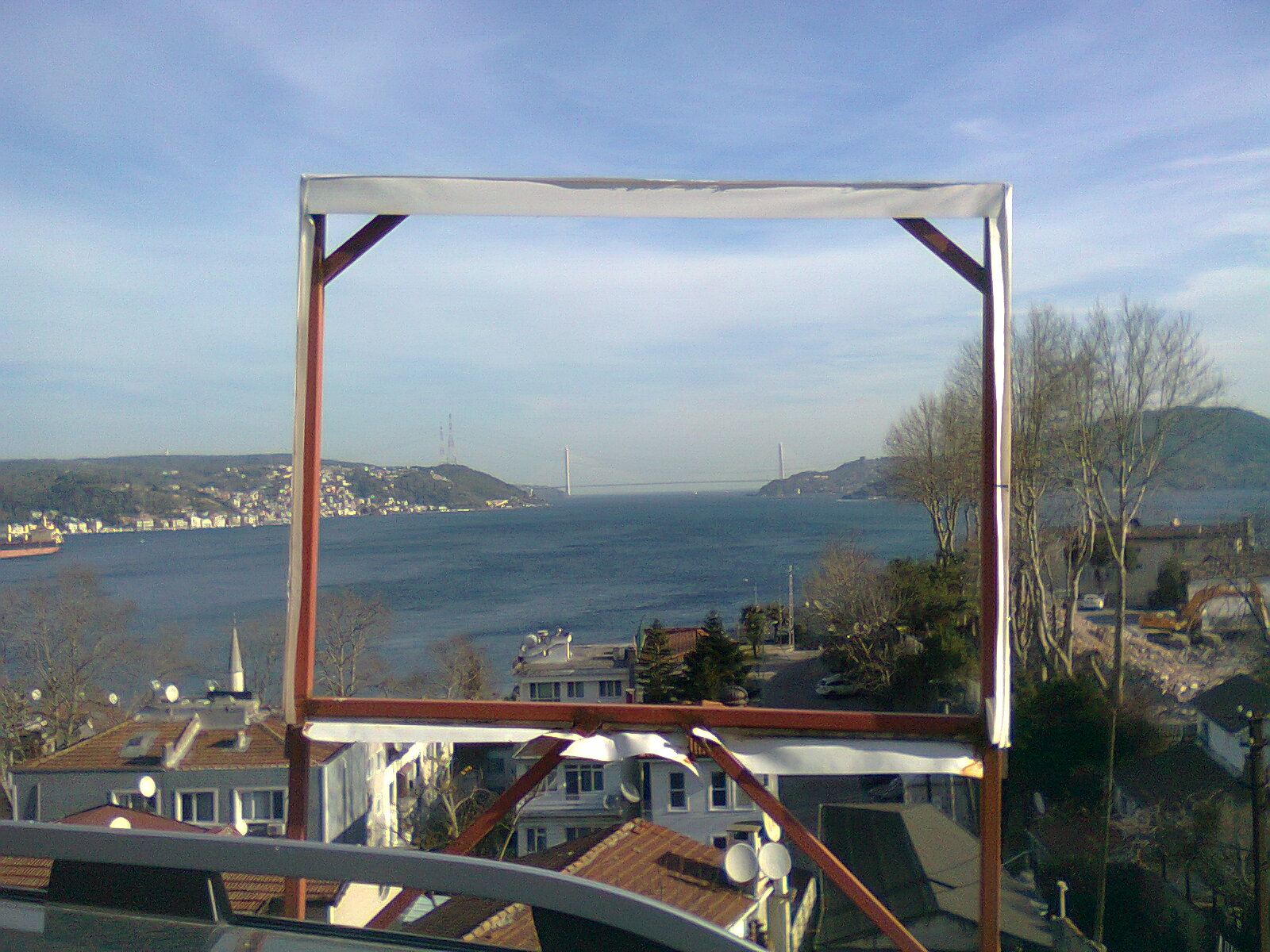
Somebody was feeding the gulls
Thursday morning, February 1, 2024
Tarabya
Things taste good because they are good. At least sweet things can be good, if used properly; but this qualification causes a lot of difficulty.
In graduate school, when I offered a fellow student some cashews, she declined, because of cholesterol. (I said this was present only in animal products.) Around that time, my father couldn’t see how something as delicious as an egg could be bad for you. He did not deny that nutritional science might be correct on its own terms; it just didn’t make sense that we could have evolved to enjoy things that would harm us.
Perhaps he did not understand the concept of moderation very well. A decade earlier, he confessed to having eaten the whole bag of M&M’s that I had planned to use in trail mix. He said they had been just what he wanted.
For sweet things, pleasant things, Aristotle uses both the feminine form ἡδεῖαί (§ xii.2) and the neuter form ἡδέα (§ xiv.7). You might think
- they cannot be good things, or at any rate,
- they cannot be the best things.
You would be wrong on both counts. At least, that is this reading’s burden, which Aristotle discharges well enough. A key part of the argument is that pleasure is
- not a process, a “becoming” (γενέσις),
- but an activity, a “being at work” (ἐνέργεια).
This seems to be Aristotle’s own way of refuting Callicles, who believes,
ἀλλ’ ἐν τούτῳ ἐστὶ τὸ ἡδέως ζῆν, ἐν τῷ ὡς πλεῖστον ἐπιρρεῖν.
But a pleasant life consists rather in the largest amount of inflow.
This is in Plato’s Gorgias, 494a–b, and the translation is Lamb’s in the Loeb Classical Library. Callicles has rejected the analogy of Socrates, whereby
the licentious life : the temperate life :: the leaky jar : the sound jar,
so that what you really want in life is to fill your jars with wine, milk, and honey, and be done with it.
As Aristotle puts it, near the end of our reading,
οὐ γὰρ μόνον κινήσεώς ἐστιν ἐνέργεια ἀλλὰ καὶ ἀκινησίας, καὶ ἡδονὴ μᾶλλον ἐν ἠρεμίᾳ ἐστὶν ἢ ἐν κινήσει. μεταβολὴ δὲ πάντων γλυκύ, κατὰ τὸν ποιητήν, διὰ πονηρίαν τινά·
For there is not only an activity of motion, but also an activity of immobility, and there is essentially a truer pleasure in rest than in motion. But change in all things is sweet, as the poet says, owing to some badness in us.
The translation is Rackham’s. In the quotation from the Orestes of Euripides (line 234), the word for sweet is the source of our glucose (and may be a cousin of dulcet and billet-doux).
Aristotle is explaining how it can be that
ὁ θεὸς ἀεὶ μίαν καὶ ἁπλῆν χαίρει ἡδονήν·
God enjoys a single simple pleasure perpetually.
God here, or the god, or a god, is not the one who rested after six days of staying busy. This deity’s work gave me the title of “‘It Was Good’.” I observed that even God had to do what I said in “Creativity” we had to do. This was to check our work in any instance of creation (this includes the creation of a solution to a mathematical problem).
I’m not sure Aristotle thinks there are instances of creation. He may have spent his life seeking knowledge of many kinds, nonetheless accepting the argument of Socrates in the Meno that learning is only recollection of what we already know. There is no discovery of what nobody ever knew; there is no making of what nobody ever saw.
I see that there is scholarly work based on what Aristotle says about the Meno in the first chapter of the first book of the Posterior Analytics, which begins,
Πᾶσα διδασκαλία καὶ πᾶσα μάθησις διανοητικὴ ἐκ προϋπαρχούσης γίνεται γνώσεως.
All instruction given or received by way of argument proceeds from pre-existent knowledge.
The translation is by G. R. G Mure. Rather than investigate this further, for now I note how, throughout the reading from the Ethics below, we hear about the ἐμπόδιός, the impediment: that which is at your feet, getting in your way. I have tried to indicate every instance of this and related words, both in the text itself and my outline of it.
Pleasure is said to be not only an activity, but an unimpeded one (ἀνεμπόδιστος, § xii.3).
When I was too young to have learned that dreams may represent one’s own peculiarities, I assumed it was common to feel impeded in one’s dreams, quite literally. I, at least, would find myself trying to run, but as if through a swamp.
Kant alluded to some such feeling in his metaphor of “The light dove, in free flight cutting through the air the resistance of which it feels”; it “could get the idea that it could do even better in airless space.” That’s in the Introduction (B 8–9) of the Critique of Pure Reason; here is more of the setting (in the translation of Guyer and Wood; but again, I am not going to look at this further):
Mathematics gives us a splendid example of how far we can go with a priori cognition independently of experience. Now it is occupied, to be sure, with objects and cognitions only so far as these can be exhibited in intuition. This circumstance, however, is easily overlooked, since the intuition in question can itself be given a priori, and thus can hardly be distinguished from a mere pure concept. Encouraged by such a proof of the power of reason, the drive for expansion sees no bounds. The light dove, in free flight cutting through the air the resistance of which it feels, could get the idea that it could do even better in airless space. Likewise, Plato abandoned the world of the senses because it posed so many hindrances for the understanding, and dared to go beyond it on the wings of the ideas, in the empty space of pure understanding. [B 9] He did not notice that he made no headway by his efforts, for he had no resistance, no support, as it were, by which he could stiffen himself, and to which he could apply his powers in order to get his understanding off the ground.
Though it didn’t have the articles on Aristotle and the Meno that I looked for, the Sci-Hub website can be the easiest way to get hold of scholarly research, even if I already have access through my university library. However, the slogan makes me uneasy: “to remove all barriers in the way of science.” The site may help remove impediments to competing with other scientists. Strictly, if you can identify a barrier that keeps you from knowing something, then you somehow already know what that something else is. I suppose this is another version of the Meno Paradox.
Even when one is trying to win a competition, one may misunderstand impediments to this. I recalled an instance in writing “On Being Given to Know”: a friend wished she could win a game of Twixt against me by making an illegal move. I likened this to wanting machines to do our thinking.
I wrote about Feynman’s example in “Academic Freedom”: while a position at the Institute for Advanced Study may remove the impediments to your research, the ideas still may not come.
Again, according to the Philosopher, “change in all things is sweet … owing to some badness in us”; but does he really think it possible to remove the badness, even in principle?
I don’t think I quite said it in “‘It Was Good’,” but even what the God of Genesis does is not automatically or necessarily good. It’s a delicate matter, theologically; but even if what God wants is automatically good, there is still the question of how you can know what this is – especially when it seems to be the sacrifice of your son.
In “‘It Was Good’,” I mentioned a book that I would probably end up obtaining. Now I have done this. After publishing Zen and the Art of Motorcycle Maintenance, Robert Pirsig addressed students at the Minneapolis College of Art and Design, according to his widow, Wendy Pirsig; and she includes a transcript in the posthumous collection of Robert’s work On Quality.
Pirsig once thought he could remove the barriers to writing by saving money and moving to Mexico with his first wife, Nancy.
In Acayucan we got paper, and I bought a Parker 51 pen, and I prepared to write the great book. At first I found a good room, with proper temperature and proper exposure. It was nice temperatures down there, as it was fall getting into winter. Got a comfortable chair and sat down. After about fifteen minutes, after all this preparation, I said, “Well, maybe I should walk a little.” I walked a little around town and met various people and talked for a while, and said, “That’s very interesting, and now I’ll go back and write.” And I went back, and I spent maybe an hour or two hours, and really was beginning to get sort of frustrated, and not willing to admit that maybe what I had come all the way down here for wasn’t going to happen.
So I procrastinated on this and other things for about a week. And at the end of a week I still hadn’t written anything. I began to become gradually aware that something was very deeply wrong …
Sure, something was wrong, but there was no obvious way to make it right – except build a boat, because then Pirsig wouldn’t have to write.
When talking about curiosity and the Four Noble Truths in “Necessity,” I thought of the words of somebody who found enlightenment in India, but did not want the “state of no suffering” that is “called nirvana (… Extinction).” He was a fictional character, but supposedly based on the mentor, born in 1899, of somebody who takes the name Wanderling. The character is Larry Darrell, and in The Razor’s Edge, Somerset Maugham has him say:
The Aryans when they first came down into India saw that the world we know is but an appearance of the world we know not; but they welcomed it as gracious and beautiful; it was only centuries later, when the exhaustion of conquest, when the debilitating climate had sapped their vitality so that they became a prey to invading hordes, that they saw only evil in life and craved for liberation from its return. But why should we of the West, we Americans especially, be daunted by decay and death, hunger and thirst, sickness, old age, grief and delusion? The spirit of life is strong in us. I felt more alive then, as I sat in my log cabin smoking my pipe, than I had ever felt before. I felt in myself an energy that cried out to be expended. It was not for me to leave the world and retire to a cloister, but to live in the world and love the objects of the world, not indeed for themselves, but for the Infinite that is in them. If in those moments of ecstasy I had indeed been one with the Absolute, then, if what they said was true, nothing could touch me and when I had worked out the karma of my present life I should return no more. The thought filled me with dismay. I wanted to live again and again. I was willing to accept every sort of life, no matter what its pain and sorrow; I felt that only life after life, life after life could satisfy my eagerness, my vigour and my curiosity.
Thursday, February 8, 2024
Kireçburnu
Contents and Outline
- Chapter XI.
- Chapter 12
- Pleasure and pain:
- About pleasure [three opinions]:
- None is good,
- not in itself,
- not incidentally, because
pleasure and good are not the same.
- Some are good, but
most are bad (φαῦλαι). - All are good, maybe, but
not the best (§ xi.3).
- None is good,
- [Reasons]:
- None good, because
- it’s a perceived coming to nature
(γένεσίς ἐστιν εἰς φύσιν αἰσθητή);
e.g. the building is not the house; - the moderate avoid pleasure;
- the prudent pursue
- the painless,
- not the pleasant;
- pleasures are an impediment (ἐμπόδιον) to prudence
in proportion to their enjoyment,
e.g. sex prevents thought; - there is an art
- of every good, but
- not of pleasure;
- pleasure is pursued by
- children and
- beasts (§ xi.4).
- it’s a perceived coming to nature
- Not all good (σπουδαία), because some are
- shameful and reproachable,
- harmful, like e.g. disease.
- Not best, because
- not an end,
- but a becoming (§ xi.5).
- None good, because
- Chapter XII
- Chapter 13
- On the contrary, 1 and 3 don’t follow.
- Twofold –
- simply and
- for somebody (or -thing, τινί) –
are
- the good,
- hence
- natures (αἱ φύσεις) and
- habits (αἱ ἕξεις),
- therefore
- motions (αἱ κινήσεις) and
- processes (αἱ γενέσεις).
- Of seemingly bad things (αἱ φαῦλαι δοκοῦσαι),
- some, simply bad, are worth choosing
- for somebody (τινί),
- at least for a while, though
- not simply;
- others,
e.g. of those laboring
(or being sick, αἱ τῶν καμνόντων),
as many as are- with pain and
- for the sake of healing,
are
- not pleasures,
- but seem to be [bad?],
e.g. medical treatment (§ xii.1).
- some, simply bad, are worth choosing
- Good may be
- activity (ἐνέργεια) or
- habit (ἕξις).
- Pleasures establishing a natural habit
(αἱ καθιστᾶσαι εἰς τὴν φυσικὴν ἕξιν ἡδεῖαί)
are that only incidentally. - There’s an activity in desires
of an underlying natural habit
(τῆς ὑπολοίπου ἕξεως καὶ φύσεως),
since there are pleasures without- pain or
- desire,
e.g. the activities of contemplating.
- A sign: what people enjoy, when nature is
- established, are the simply pleasant;
- being filled out, even the opposite, e.g.
- sour and
- bitter.
- As are the pleasant,
so are the pleasures (§ xii.2). - Pleasure is
- not a process (γενέσις),
which could be perceived (αἰσθητή), - but a result (τέλος),
- even an activity –
unimpeded (ἀνεμπόδιστον) –
of habit according to nature
(ἐνέργεια τῃς κατὰ φύσιν ἕξεως, § xii.3).
- not a process (γενέσις),
- The pleasant may be bad
- as e.g.
- causing disease,
- inhibiting contemplation,
- while not in itself (§ xii.4).
- as e.g.
- A pleasure
- not their own,
- but alien
impedes (ἐμποδίζει)
- prudence,
- any other habit, e.g.
- contemplation,
- learning (§ xii.5).
- There may be no art of pleasure,
although e.g.- perfumery,
- cookery
are said to be such, because
there is an art- of no other activity,
- only of capacity (§ xii.6).
- We explain 1 b, c, f in terms of pleasures
- accompanied with
- desire and
- pain,
- bodily,
- admitting of excess;
there are still pleasures of moderation (§ xii.7).
- accompanied with
- Chapter XIII
- Chapter 14
- Everybody agrees: pain is
- to be avoided (φευκτόν),
- bad (κακόν),
- simply or
- as somehow impeding (ἐμποδιστική).
The contrary of such a thing is good.
Therefore pleasure is good,
despite what Speusippus says:
> is opposite to = and < (§ xiii.1). - That some are bad (φαῦλαι)
does not prevent some one from being best,
whether- pleasure or
- e.g. science.
- Maybe (ἴσως), if
- of each habit,
there are unimpeded (ἀνεμπόδιστοι) activities, and - happiness is the unimpeded (ἀνεμπόδιστος) activity of
- all or
- some one,
this would be
- most desirable (αἱρετωτάτην),
- a pleasure,
- the best.
Thus people suppose the happy life is pleasant.
- of each habit,
- Happiness is a completed thing,
hence not an impeded (ἐμποδιζομένη) activity,
but needing- goods bodily and
- external, and
- luck,
not to be impeded (ἐμποδίζηται, § xiii.2).
- Those who say you can be happy on the rack,
if you are good, make no sense, whether they- mean to or
- not (§ xiii.3).
- Neither is happiness just good luck, since
this is defined in terms of happiness:
excessive good luck is an impediment (ἐμπόδιός),
thus not properly good at all (§ xiii.4). - That pleasure is pursued by all,
- man and
- beast,
is a sign it’s the best,
as e.g. Hesiod says … (§ xiii.5). - All pursue pleasure, maybe
- the same one – because
all things share divinity by nature – and - not the one they
- suppose or
- may say, because
they know only bodily pleasure (§ xiii.6).
- the same one – because
- If it is not that
- pleasure is good and
- the activity [of happiness is a pleasure],
the happy will live
- not pleasantly,
- but even painfully (§ xiii.7).
- Everybody agrees: pain is
- Chapter XIV
- Some say
- some pleasures are highly choosable
e.g. beautiful ones (αἱ καλαί), - bodily ones are not, namely
the ones where you can be licentious (§ xiv.1).
- some pleasures are highly choosable
- We ask them:
- Why then are the contrary pains bad (μοχθηραί)?
- Are the necessary pleasures good
- as the not bad is good?
- only up to a certain point?
- With pleasure,
- of the better (τοῦ βελτίονος),
as with the- habits and
- motions
that it is of,
there may or may not be excess; - of the bodily kind, there can be excess.
- Everybody enjoys
- relishes (ὄψα),
- wine,
- sex;
- the base (ὁ φαῦλος), to excess.
- Everybody enjoys
- of the better (τοῦ βελτίονος),
- With pain, it’s otherwise.
- Of it is avoided
- not an excess,
- but all.
- It is, to excess [of pleasure],
- not contrary,
- except to the pursuer of the excess (§ xiv.2).
- Of it is avoided
- Some say
- Chapter 15
- We should explain why falsehoods seem true.
- Desirable (αἱρετώτεραι),
bodily pleasures appear to be § xiv.3),
because they are seen as a cure for pain. - Not a good thing (οὐ σπουδαῖον),
pleasure seems to be, because [they are]- practices of a nature base by
- birth (γενετή), as of a beast,
- custom (ἔθος), as of base men;
- cures for deficiency –
then they are accidentally good (§ xiv.4).
- practices of a nature base by
- Desirable (αἱρετώτεραι),
- Some have nothing else to enjoy
but e.g. slaking an artificial thirst. - What is neither [pleasant nor painful]
is painful for many. - Life is painful (ask the physiologues);
we’re just used to it (§ xiv.5). - Youth is pleasant, and drunkenness is like it.
- Pain is relieved by any pleasure,
- if it is strong enough,
- especially in the “melancholy” –
that’s how people become- licentious and
- base (§ xiv.6).
- No pain, no excess –
what is pleasant- by nature,
- not accidentally,
is so described.
- Cures are accidentally pleasant,
because the healthy part is acting. - Actions of such a nature,
the pleasant by nature makes (§ xiv.7).
- Were we simple, like God,
the same thing would always be most pleasant:- there is an activity of stillness (ἀκινησία),
- pleasure is rather in rest (ἠρεμία) than motion.
Change may be sweet, as the poet says,
but only for a defective nature (§ xiv.8). - We’ve looked at
- continence and incontinence,
- pleasure and pain,
the
- what and
- how they can be
- good or
- bad.
- Next up, friendship (§ xiv.9).
- We should explain why falsehoods seem true.
[1152b]
Chapter XI
Chapter 12
§ xi.1
περὶ δὲ
- ἡδονῆς καὶ
- λύπης
θεωρῆσαι τοῦ τὴν πολιτικὴν φιλοσοφοῦντος·
οὗτος γὰρ τοῦ τέλους ἀρχιτέκτων,
πρὸς ὃ βλέποντες ἕκαστον
- τὸ μὲν κακὸν
- τὸ δ᾽ ἀγαθὸν
ἁπλῶς λέγομεν.
One may object that this is a contradiction in terms. If good and bad are to be assessed with respect to something, how can they be called simple? The objection is like Mary Midgley’s (which I recalled in “Anarchy,” on the the first part of the present book):
… there are not, as Collingwood supposed, any ‘absolute presuppositions’ – since everything involves something else …
See “NL XIX: Two Senses of the Word ‘Society’.” Taking up τὸ αγαθόν in § xii.1 below, we distinguish τὸ ἁπλῶς from τὸ τινί, the good simply (or absolutely) from the good for somebody. The politician establishes the good for everybody, namely everybody in the polity, these days, not everybody in the world at all times.
§ xi.2
ἔτι δὲ καὶ τῶν ἀναγκαίων ἐπισκέψασθαι περὶ αὐτῶν·
- τήν τε γὰρ
- ἀρετὴν καὶ τὴν
- κακίαν
τὴν ἠθικὴν περὶ
- λύπας καὶ
- ἡδονὰς
ἔθεμεν, καὶ
- τὴν εὐδαιμονίαν οἱ πλεῖστοι μεθ᾽ ἡδονῆς εἶναί φασιν·
διὸ καὶ τὸν μακάριον ὠνομάκασιν ἀπὸ τοῦ χαίρειν.
Bartlett and Collins refer to 1104b8–13, which is part of II.iii.1–2;
περὶ
- ἡδονὰς γὰρ καὶ
- λύπας
ἐστὶν ἡ ἠθικὴ ἀρετή·
- διὰ μὲν γὰρ τὴν ἡδονὴν
τὰ φαῦλα πράττομεν,- διὰ δὲ τὴν λύπην
τῶν καλῶν ἀπεχόμεθα.διὸ δεῖ ἦχθαί πως εὐθὺς ἐκ νέων,
ὡς ὁ Πλάτων φησίν,
ὥστε
- χαίρειν τε καὶ
- λυπεῖσθαι
οἷς δεῖ·
ἡ γὰρ ὀρθὴ παιδεία
αὕτη ἐστίν.
Let’s also remember what precedes this in the chapter:
σημεῖον δὲ δεῖ ποιεῖσθαι τῶν ἕξεων τὴν ἐπιγινομένην
- ἡδονὴν ἢ
- λύπην
τοῖς ἔργοις·
- ὁ μὲν γὰρ
- ἀπεχόμενος τῶν σωματικῶν ἡδονῶν καὶ
- αὐτῷ τούτῳ χαίρων
σώφρων,
- ὁ δ᾽ ἀχθόμενος
ἀκόλαστος,καὶ
- ὁ μὲν
- ὑπομένων τὰ δεινὰ καὶ
- χαίρων ἢ
- μὴ λυπούμενός γε
ἀνδρεῖος,
- ὁ δὲ λυπούμενος
δειλός.
Sachs refers to I.x on blessedness as completing happiness.
§ xi.3
- τοῖς μὲν οὖν δοκεῖ
οὐδεμία ἡδονὴ εἶναι ἀγαθόν,- οὔτε καθ᾽ αὑτὸ
- οὔτε κατὰ συμβεβηκός·
οὐ γὰρ εἶναι ταὐτὸ τὸ
- ἀγαθὸν καὶ
- ἡδονήν·
- τοῖς δ᾽
- ἔνιαι μὲν εἶναι,
- αἱ δὲ πολλαὶ φαῦλαι.
- ἔτι δὲ τούτων τρίτον,
εἰ καὶ πᾶσαι ἀγαθόν,
ὅμως μὴ ἐνδέχεσθαι εἶναι τὸ ἄριστον ἡδονήν.
§ xi.4
- ὅλως μὲν οὖν οὐκ ἀγαθόν,
ὅτι- πᾶσα ἡδονὴ γένεσίς ἐστιν εἰς φύσιν αἰσθητή,
οὐδεμία δὲ γένεσις συγγενὴς τοῖς τέλεσιν,
οἷον οὐδεμία οἰκοδόμησις οἰκίᾳ. - ἔτι ὁ σώφρων φεύγει τὰς ἡδονάς.
- ἔτι ὁ φρόνιμος
- τὸ ἄλυπον διώκει,
- οὐ τὸ ἡδύ.
- ἔτι ἐμπόδιον τῷ φρονεῖν αἱ ἡδοναί, καὶ
- ὅσῳ μᾶλλον χαίρει,
- μᾶλλον,
οἷον τῇ τῶν ἀφροδισίων·
οὐδένα γὰρ ἂν δύνασθαι νοῆσαί τι
ἐν αὐτῇ. - ἔτι τέχνη οὐδεμία ἡδονῆς·
καίτοι πᾶν ἀγαθὸν τέχνης ἔργον. - ἔτι
- παιδία καὶ
- θηρία
διώκει τὰς ἡδονάς.
- πᾶσα ἡδονὴ γένεσίς ἐστιν εἰς φύσιν αἰσθητή,
It is not clear to me whether the opening word ὅλως attaches to οὐκ ἀγαθόν or just introduces the reasons to be given for the opinions already stated.
The μέν is answered by the two δέ of the next section.
§ xi.5
- τοῦ δὲ μὴ πάσας σπουδαίας,
- ὅτι εἰσὶ καὶ
- αἰσχραὶ καὶ
- ὀνειδιζόμεναι, καὶ
- ὅτι βλαβεραί·
νοσώδη γὰρ ἔνια τῶν ἡδέων.
- ὅτι εἰσὶ καὶ
- ὅτι δ᾽ οὐ τἄριστον ἡδονή,
ὅτι οὐ τέλος ἀλλὰ γένεσις.
τὰ μὲν οὖν λεγόμενα σχεδὸν ταῦτ᾽ ἐστίν.
Chapter XII
Chapter 13
§ xii.1
ὅτι δ᾽ οὐ συμβαίνει διὰ ταῦτα
- μὴ εἶναι ἀγαθὸν
- μηδὲ τὸ ἄριστον,
ἐκ τῶνδε πρῶτον.
δῆλον μέν,
- ἐπεὶ τὸ ἀγαθὸν διχῶς
- (τὸ μὲν γὰρ ἁπλῶς
- τὸ δὲ τινί),
- καὶ
- αἱ φύσεις καὶ
- αἱ ἕξεις
ἀκολουθήσουσιν,
- ὥστε καὶ
- αἱ κινήσεις καὶ
- αἱ γενέσεις,
καὶ αἱ φαῦλαι δοκοῦσαι εἶναι
- αἳ μὲν ἁπλῶς φαῦλαι
-
- τινὶ δ᾽ οὒ
- ἀλλ᾽ αἱρεταὶ τῷδε,
- ἔνιαι δ᾽
- οὐδὲ τῷδε
- ἀλλὰ
- ποτὲ καὶ
- ὀλίγον χρόνον
αἱρεταί,
- ἁπλῶς δ᾽ οὔ·
-
- αἳ δ᾽
- οὐδ᾽ ἡδοναί,
- ἀλλὰ φαίνονται,
ὅσαι
- μετὰ λύπης καὶ
- ἰατρείας ἕνεκεν,
οἷον αἱ τῶν καμνόντων.
It’s not clear that the whole section is not about medical treatment:
- it may be chosen, at least under certain circumstances;
- it is not a pleasure, but
- it seems – what?
There’s a missing word, and the translators seem to figure it’s ἡδοναί, but I don’t know why it wouldn’t be φαῦλαι, because we are talking about things that are painful. This would tend to make the case that Aristotle is arguing against, that no pleasure is good. However, see § xiv.7.
I’m also not sure that αἱ τῶν καμνόντων doesn’t refer to laboring.
Here’s what the translators have for the last part,
αἳ δ᾽ οὐδ᾽ ἡδοναί, ἀλλὰ φαίνονται, ὅσαι μετὰ λύπης καὶ ἰατρείας ἕνεκεν, οἷον αἱ τῶν καμνόντων.
-
Ross, Brown:
while others are not even pleasures, but seem to be so, namely, all those which involve pain and whose end is curative, e.g. the processes that go on in sick persons.
-
Rackham:
And some such processes are not really pleasures at all, but only seem to be so: I mean the painful processes that are undergone for their curative effects, for instance, treatment applied to the sick.
-
Apostle:
and there are also those which appear to be but are not pleasures, those which are with pain and for the sake of cure, e.g., those of the sick.
-
Crisp:
Others are not even pleasures, but appear to be, namely, all those that involve pain and are remedial, such as those in sick people.
-
Sachs:
And some of these are not even pleasures, but seem to be, as many processes as take place and take place with pain, as do those applied to the sick.
-
Bartlett and Collins:
Some of these are not even pleasures, but merely appear to be – all those that are accompanied by pain and for the sake of medical treatment, like those the sickly undergo, for example.
-
Reeve:
And some are not even pleasures but only appear to be – those that involve pain and are curative, for example, the ones sick people undergo.
§ xii.2
ἔτι ἐπεὶ τοῦ ἀγαθοῦ
- τὸ μὲν ἐνέργεια
- τὸ δ᾽ ἕξις,
- κατὰ συμβεβηκὸς
αἱ καθιστᾶσαι
εἰς τὴν φυσικὴν ἕξιν
ἡδεῖαί εἰσιν· - ἔστι δ᾽ ἡ ἐνέργεια
ἐν ταῖς ἐπιθυμίαις
τῆς ὑπολοίπου- ἕξεως καὶ
- φύσεως,
ἐπεὶ καὶ ἄνευ
- λύπης καὶ
- ἐπιθυμίας
εἰσὶν ἡδοναί, [1153a]
οἷον αἱ τοῦ θεωρεῖν ἐνέργειαι,
τῆς φύσεως οὐκ ἐνδεοῦς οὔσης.
σημεῖον δ᾽ ὅτι
- οὐ τῷ αὐτῷ ἡδεῖ χαίρουσιν
- ἀναπληρουμένης τε τῆς φύσεως καὶ
- καθεστηκυίας,
- ἀλλὰ
- καθεστηκυίας μὲν τοῖς ἁπλῶς ἡδέσιν,
- ἀναπληρουμένης δὲ καὶ τοῖς ἐναντίοις·
καὶ γὰρ
- ὀξέσι καὶ
- πικροῖς
χαίρουσιν, ὧν οὐδὲν
- οὔτε φύσει ἡδὺ
- οὔθ᾽ ἁπλῶς ἡδύ.
ὥστ᾽ οὐδ᾽ ἡδοναί·
- ὡς γὰρ τὰ ἡδέα πρὸς ἄλληλα διέστηκεν,
- οὕτω καὶ αἱ ἡδοναὶ αἱ ἀπὸ τούτων.
§ xii.3
ἔτι οὐκ ἀνάγκη ἕτερόν τι εἶναι βέλτιον τῆς ἡδονῆς,
ὥσπερ τινές φασι τὸ τέλος τῆς γενέσεως·
- οὐ γὰρ γενέσεις εἰσὶν
- οὐδὲ μετὰ γενέσεως πᾶσαι,
- ἀλλ᾽
- ἐνέργειαι καὶ
- τέλος·
- οὐδὲ γινομένων συμβαίνουσιν
- ἀλλὰ χρωμένων·
καὶ
- τέλος οὐ πασῶν ἕτερόν τι,
- ἀλλὰ τῶν εἰς τὴν τελέωσιν ἀγομένων τῆς φύσεως.
διὸ καὶ
- οὐ καλῶς ἔχει
- τὸ αἰσθητὴν γένεσιν φάναι εἶναι
- τὴν ἡδονήν,
- ἀλλὰ μᾶλλον λεκτέον
ἐνέργειαν τῆς κατὰ φύσιν ἕξεως, - ἀντὶ δὲ τοῦ
- αἰσθητὴν
- ἀνεμπόδιστον.
δοκεῖ δὲ γένεσίς τισιν εἶναι, ὅτι κυρίως ἀγαθόν·
- τὴν γὰρ
- ἐνέργειαν
- γένεσιν οἴονται εἶναι,
- ἔστι δ᾽ ἕτερον.
Aristotle is perhaps classically elliptical here. My translation paired with that of Bartlett and Collins:
| Yet for something else to be the better of pleasure [is] not necessary, | Further, it is not necessary for there to be something else that is better than pleasure, |
| as some say the result [is] of the process; for, | in the way that some assert that the end is better than the process of coming-into-being. For |
| not processes are they, | pleasures are not processes of coming-into-being, |
| nor all involved with process, | nor are all pleasures even accompanied by a coming-into-being; |
| but activities | rather, they are activities |
| and a result; | and an end, |
| nor from proceeding [things] do they happen, | and they do not occur when there is a coming-into-being |
| but from [things] being used. | but when [our capacities] are put to use. |
| Also, | And |
| not of all [is] the result | not all pleasures have |
| something different, | something else as an end, |
| but of [those] being led to the result of nature. | but only the pleasures belonging to those who are being led toward the completion of their nature. |
| Wherefore also | Hence also |
| it holds well not to say | it is not a noble thing to assert |
| the perceived process to be | that pleasure is |
| pleasure, | a perceptible process of coming-into-being; |
| but it is rather to be called | one ought rather to say that it is |
| an activity of habit according to nature, | an activity of the characteristic that accords with nature, |
| and instead of the | and instead of |
| [word] perceived, | “perceptible,” |
| unhindered. | one ought to say “unimpeded.” |
| And it seems to some to be process, | But pleasure is held by some to be a process of coming-into-being, |
| because supremely good; | because it is good in an authoritative sense. |
| for they suppose activity to be process, | For they suppose that activity is a process of coming-into-being, |
| but it’s different. | but in fact it is something else. |
The LSJ cites
- for λεκτέος α ον “one must say [that] …” the first line of Book VII;
- for ἀνεμπόδιστος “unhindered,” this section.
Sachs has a good note:
- perceptible or not are differentiae of processes (“processes of coming-into-being”);
- impeded or not, of activities (“being-at-work”).
The idea of impediment or inhibition occurs in §§ xi.4, xii.3 (this one), xii.5, xiii.1, xiii.2 (four times), xiii.4.
- What it means is not clear for creative activities, which have an end that cannot be known in advance.
- Supposedly most people think their lives would be unimpeded if they were twice as rich as they are.
§ xii.4
- τὸ δ᾽ εἶναι φαύλας ὅτι νοσώδη ἔνια ἡδέα,
τὸ αὐτὸ καὶ - ὅτι ὑγιεινὰ ἔνια φαῦλα πρὸς χρηματισμόν.
ταύτῃ οὖν
- φαῦλα ἄμφω,
- ἀλλ᾽ οὐ φαῦλα κατά γε τοῦτο,
ἐπεὶ καὶ τὸ θεωρεῖν ποτὲ βλάπτει πρὸς ὑγίειαν.
§ xii.5
ἐμποδίζει δὲ
-
- οὔτε φρονήσει
- οὔθ᾽ ἕξει οὐδεμιᾷ
ἡ ἀφ᾽ ἑκάστης ἡδονή,
-
ἀλλ᾽ αἱ ἀλλότριαι,
ἐπεὶ
αἱ ἀπὸ τοῦ
- θεωρεῖν καὶ
- μανθάνειν
μᾶλλον ποιήσουσι
- θεωρεῖν καὶ
- μανθάνειν.
§ xii.6
- τὸ δὲ τέχνης μὴ εἶναι ἔργον
- ἡδονὴν μηδεμίαν
εὐλόγως συμβέβηκεν·
- οὐδὲ γὰρ ἄλλης ἐνεργείας οὐδεμιᾶς τέχνη ἐστίν,
- ἀλλὰ τῆς δυνάμεως·
καίτοι καὶ
- ἡ μυρεψικὴ τέχνη καὶ
- ἡ ὀψοποιητικὴ
δοκεῖ ἡδονῆς εἶναι.
§ xii.7
- τὸ δὲ τὸν σώφρονα φεύγειν καὶ
- τὸν φρόνιμον διώκειν τὸν ἄλυπον βίον, καὶ
- τὸ
- τὰ παιδία καὶ
- τὰ θηρία
διώκειν,
τῷ αὐτῷ λύεται πάντα.
ἐπεὶ γὰρ εἴρηται
- πῶς ἀγαθαὶ ἁπλῶς καὶ
- πῶς οὐκ ἀγαθαὶ πᾶσαι
αἱ ἡδοναί,
- τὰς τοιαύτας καὶ
- τὰ θηρία καὶ
- τὰ παιδία
διώκει, καὶ
- τὴν τούτων ἀλυπίαν ὁ φρόνιμος,
- τὰς μετ᾽
- ἐπιθυμίας καὶ
- λύπης, καὶ
- τὰς σωματικάς (τοιαῦται γὰρ αὗται) καὶ
- τὰς τούτων ὑπερβολάς,
καθ᾽ ἃς ὁ ἀκόλαστος ἀκόλαστος.
διὸ ὁ σώφρων φεύγει ταύτας,
ἐπεὶ εἰσὶν ἡδοναὶ καὶ σώφρονος. [1153b]
Chapter XIII
Chapter 14
§ xiii.1
ἀλλὰ μὴν ὅτι καὶ ἡ λύπη
- κακόν, ὁμολογεῖται, καὶ
- φευκτόν·
- ἣ μὲν γὰρ ἁπλῶς κακόν,
- ἣ δὲ τῷ πῇ ἐμποδιστική.
τῷ δὲ φευκτῷ τὸ ἐναντίον
ᾗ φευκτόν τι καὶ κακόν,
ἀγαθόν.
ἀνάγκη οὖν
- τὴν ἡδονὴν
- ἀγαθόν τι
εἶναι.
ὡς γὰρ Σπεύσιππος ἔλυεν,
οὐ συμβαίνει ἡ λύσις,
ὥσπερ τὸ μεῖζον
- τῷ ἐλάττονι καὶ
- τῷ ἴσῳ
ἐναντίον·
οὐ γὰρ ἂν φαίη ὅπερ
- κακόν τι εἶναι
- τὴν ἡδονήν.
§ xiii.2
- τἄριστόν τ᾽ οὐδὲν κωλύει
- ἡδονήν τινα
εἶναι,
εἰ ἔνιαι
- φαῦλαι
- ἡδοναί,
ὥσπερ καὶ ἐπιστήμην τινὰ
ἐνίων φαύλων οὐσῶν.
ἴσως δὲ καὶ ἀναγκαῖον,
εἴπερ ἑκάστης ἕξεώς εἰσιν ἐνέργειαι ἀνεμπόδιστοι,
- εἴθ᾽ ἡ πασῶν ἐνέργειά ἐστιν εὐδαιμονία
- εἴτε ἡ τινὸς αὐτῶν,
ἂν ᾖ ἀνεμπόδιστος,
αἱρετωτάτην εἶναι·
τοῦτο δ᾽ ἐστὶν ἡδονή.
ὥστε εἴη ἄν τις ἡδονὴ τὸ ἄριστον,
τῶν πολλῶν ἡδονῶν φαύλων οὐσῶν,
εἰ ἔτυχεν,
ἁπλῶς.
καὶ διὰ τοῦτο
πάντες
- τὸν εὐδαίμονα ἡδὺν οἴονται βίον εἶναι, καὶ
- ἐμπλέκουσι τὴν ἡδονὴν εἰς τὴν εὐδαιμονίαν,
εὐλόγως·
- οὐδεμία γὰρ ἐνέργεια τέλειος ἐμποδιζομένη,
- ἡ δ᾽ εὐδαιμονία τῶν τελείων·
διὸ προσδεῖται ὁ εὐδαίμων
- τῶν ἐν σώματι ἀγαθῶν καὶ
- τῶν ἐκτὸς καὶ
- τῆς τύχης,
ὅπως μὴ ἐμποδίζηται ταῦτα.
This section is the LSJ’s referent for ἀνεμπόδιστος.
§ xiii.3
οἱ δὲ
- τὸν τροχιζόμενον καὶ
- τὸν δυστυχίαις μεγάλαις περιπίπτοντα
εὐδαίμονα φάσκοντες εἶναι,
ἐὰν ᾖ ἀγαθός,
- ἢ ἑκόντες
- ἢ ἄκοντες
οὐδὲν λέγουσιν.
§ xiii.4
διὰ δὲ τὸ προσδεῖσθαι τῆς τύχης
δοκεῖ τισὶ ταὐτὸν εἶναι
- ἡ εὐτυχία
- τῇ εὐδαιμονίᾳ,
οὐκ οὖσα, ἐπεὶ
- καὶ αὐτὴ ὑπερβάλλουσα ἐμπόδιός ἐστιν,
- καὶ ἴσως οὐκέτι εὐτυχίαν καλεῖν δίκαιον·
πρὸς γὰρ τὴν εὐδαιμονίαν ὁ ὅρος αὐτῆς.
§ xiii.5
καὶ
- τὸ διώκειν δ᾽ ἅπαντα
- καὶ θηρία
- καὶ ἀνθρώπους τὴν ἡδονὴν
- σημεῖόν τι
τοῦ εἶναί πως τὸ ἄριστον αὐτήν·
φήμη δ᾽ οὔτις πάμπαν ἀπόλλυται, ἥν τινα λαοί πολλοί … [1 Hes. WD 763]
§ xiii.6
ἀλλ᾽ ἐπεὶ
- οὐχ ἡ αὐτὴ
- οὔτε φύσις
- οὔθ᾽ ἕξις
ἡ ἀρίστη
- οὔτ᾽ ἔστιν
- οὔτε δοκεῖ,
- οὐδ᾽ ἡδονὴν διώκουσι τὴν αὐτὴν πάντες,
- ἡδονὴν μέντοι πάντες.
ἴσως δὲ καὶ διώκουσιν
- οὐχ ἣν οἴονται
- οὐδ᾽ ἣν ἂν φαῖεν,
- ἀλλὰ τὴν αὐτήν·
πάντα γὰρ φύσει ἔχει τι θεῖον.
ἀλλ᾽ εἰλήφασι τὴν τοῦ ὀνόματος κληρονομίαν
αἱ σωματικαὶ ἡδοναὶ
διὰ
- τὸ πλειστάκις τε παραβάλλειν εἰς αὐτὰς καὶ
- πάντας μετέχειν αὐτῶν·
διὰ τὸ μόνας οὖν γνωρίμους εἶναι
ταύτας μόνας οἴονται εἶναι. [1154a]
§ xiii.7
φανερὸν δὲ καὶ ὅτι,
εἰ μὴ
- ἡδονὴ ἀγαθὸν καὶ
- ἡ ἐνέργεια,
οὐκ ἔσται ζῆν ἡδέως τὸν εὐδαίμονα·
τίνος γὰρ ἕνεκα δέοι ἂν αὐτῆς,
εἴπερ μὴ ἀγαθόν,
ἀλλὰ καὶ λυπηρῶς ἐνδέχεται ζῆν;
- οὔτε κακὸν γὰρ
- οὔτ᾽ ἀγαθὸν
ἡ λύπη,
εἴπερ μηδ᾽ ἡδονή·
ὥστε διὰ τί ἂν φεύγοι;
οὐδὲ δὴ ἡδίων ὁ βίος ὁ τοῦ σπουδαίου,
εἰ μὴ καὶ αἱ ἐνέργειαι αὐτοῦ.
Chapter XIV
§ xiv.1
περὶ δὲ δὴ τῶν σωματικῶν ἡδονῶν
ἐπισκεπτέον τοῖς λέγουσιν ὅτι
- ἔνιαί γε ἡδοναὶ αἱρεταὶ σφόδρα,
οἷον αἱ καλαί, - ἀλλ᾽ οὐχ
- αἱ σωματικαὶ καὶ
- περὶ ἃς ὁ ἀκόλαστος.
How to read ἐπισκεπτέον τοῖς λέγουσιν?
- Rackham: “we must examine the view of those who say”
- Sachs: “one must examine the arguments”
- Bartlett and Collins: “must be examined by those who say”
§ xiv.2
διὰ τί οὖν
- αἱ ἐναντίαι λῦπαι
- μοχθηραί;
- κακῷ γὰρ
- ἀγαθὸν
ἐναντίον.
- ἢ
- οὕτως ἀγαθαὶ αἱ ἀναγκαῖαι,
- ὅτι καὶ τὸ μὴ κακὸν ἀγαθόν ἐστιν;
- ἢ μέχρι του ἀγαθαί;
τῶν μὲν γὰρ
- ἕξεων καὶ
- κινήσεων
- ὅσων μὴ ἔστι τοῦ βελτίονος ὑπερβολή,
οὐδὲ τῆς ἡδονῆς· - ὅσων δ᾽ ἔστι,
καὶ τῆς ἡδονῆς.
ἔστιν δὲ τῶν σωματικῶν ἀγαθῶν ὑπερβολή,
καὶ ὁ φαῦλος τῷ διώκειν
- τὴν ὑπερβολήν ἐστιν, ἀλλ᾽
- οὐ τὰς ἀναγκαίας·
πάντες γὰρ χαίρουσί πως
- καὶ ὄψοις
- καὶ οἴνοις
- καὶ ἀφροδισίοις,
ἀλλ᾽ οὐχ ὡς δεῖ.
ἐναντίως δ᾽ ἐπὶ τῆς λύπης·
- οὐ γὰρ τὴν ὑπερβολὴν φεύγει,
- ἀλλ᾽ ὅλως·
- οὐ γάρ ἐστι τῇ ὑπερβολῇ λύπη ἐναντία
- ἀλλ᾽ ἢ τῷ διώκοντι τὴν ὑπερβολήν.
Chapter 15
§ xiv.3
ἐπεὶ δ᾽
- οὐ μόνον δεῖ τἀληθὲς εἰπεῖν
- ἀλλὰ καὶ τὸ αἴτιον τοῦ ψεύδους:
τοῦτο γὰρ συμβάλλεται πρὸς τὴν πίστιν·
ὅταν γὰρ εὔλογον φανῇ τὸ διὰ τί
- φαίνεται ἀληθὲς
- οὐκ ὂν ἀληθές,
πιστεύειν ποιεῖ τῷ ἀληθεῖ μᾶλλον·
ὥστε λεκτέον διὰ τί
φαίνονται αἱ σωματικαὶ ἡδοναὶ αἱρετώτεραι.
§ xiv.4
πρῶτον μὲν οὖν δὴ ὅτι ἐκκρούει τὴν λύπην·
καὶ διὰ τὰς ὑπερβολὰς τῆς λύπης,
ὡς οὔσης ἰατρείας,
τὴν ἡδονὴν διώκουσι
- τὴν ὑπερβάλλουσαν καὶ
- ὅλως
τὴν σωματικήν.
σφοδραὶ δὲ γίνονται αἱ ἰατρεῖαι,
διὸ καὶ διώκονται,
διὰ τὸ παρὰ τὸ ἐναντίον φαίνεσθαι.
καὶ οὐ σπουδαῖον δὴ δοκεῖ ἡ ἡδονὴ
διὰ δύο ταῦτα,
ὥσπερ εἴρηται,
ὅτι
-
αἳ μὲν φαύλης φύσεώς εἰσι πράξεις
- (ἢ ἐκ γενετῆς,
ὥσπερ θηρίου, - ἢ δι᾽ ἔθος,
οἷον αἱ τῶν φαύλων ἀνθρώπων),
- (ἢ ἐκ γενετῆς,
-
αἳ δ᾽ ἰατρεῖαι ὅτι ἐνδεοῦς,
καὶ ἔχειν βέλτιον ἢ γίνεσθαι· [1154b]αἳ δὲ συμβαίνουσι τελεουμένων·
κατὰ συμβεβηκὸς οὖν σπουδαῖαι.
§ xiv.5
ἔτι διώκονται διὰ τὸ σφοδραὶ εἶναι
ὑπὸ τῶν ἄλλαις μὴ δυναμένων χαίρειν·
αὐτοὶ γοῦν αὑτοῖς δίψας τινὰς παρασκευάζουσιν.
- ὅταν μὲν οὖν ἀβλαβεῖς,
ἀνεπιτίμητον, - ὅταν δὲ βλαβεράς,
φαῦλον.
οὔτε γὰρ ἔχουσιν ἕτερα ἐφ᾽ οἷς χαίρουσιν,
τό τε μηδέτερον πολλοῖς λυπηρὸν διὰ τὴν φύσιν.
ἀεὶ γὰρ πονεῖ τὸ ζῷον,
ὥσπερ καὶ οἱ φυσιολόγοι μαρτυροῦσι,
- τὸ ὁρᾶν,
- τὸ ἀκούειν
φάσκοντες εἶναι λυπηρόν·
ἀλλ᾽ ἤδη συνήθεις ἐσμέν,
ὡς φασίν.
§ xiv.6
ὁμοίως δ᾽
- ἐν μὲν τῇ νεότητι διὰ τὴν αὔξησιν
ὥσπερ οἱ οἰνωμένοι διάκεινται,
καὶ ἡδὺ ἡ νεότης. - οἱ δὲ μελαγχολικοὶ τὴν φύσιν δέονται ἀεὶ ἰατρείας·
- καὶ γὰρ τὸ σῶμα δακνόμενον διατελεῖ διὰ τὴν κρᾶσιν,
- καὶ ἀεὶ ἐν ὀρέξει σφοδρᾷ εἰσίν·
ἐξελαύνει δὲ ἡδονὴ λύπην
- ἥ τ᾽ ἐναντία καὶ
- ἡ τυχοῦσα, ἐὰν ᾖ ἰσχυρά·
καὶ διὰ ταῦτα
- ἀκόλαστοι καὶ
- φαῦλοι
γίνονται.
§ xiv.7
αἱ δ᾽ ἄνευ λυπῶν οὐκ ἔχουσιν ὑπερβολήν·
αὗται δὲ τῶν
- φύσει ἡδέων καὶ
- μὴ κατὰ συμβεβηκός.
λέγω δὲ
- κατὰ συμβεβηκὸς ἡδέα
- τὰ ἰατρεύοντα·
ὅτι γὰρ συμβαίνει ἰατρεύεσθαι
τοῦ ὑπομένοντος ὑγιοῦς πράττοντός τι,
διὰ τοῦτο
ἡδὺ δοκεῖ εἶναι·
φύσει δ᾽ ἡδέα,
ἃ ποιεῖ πρᾶξιν τῆς τοιᾶσδε φύσεως.
§ xiv.8
οὐκ ἀεὶ δ᾽ οὐθὲν ἡδὺ τὸ αὐτὸ
διὰ τὸ
- μὴ ἁπλῆν ἡμῶν εἶναι τὴν φύσιν,
- ἀλλ᾽ ἐνεῖναί τι καὶ ἕτερον,
καθὸ φθαρτοί,
ὥστε
- ἄν τι θάτερον πράττῃ, τοῦτο τῇ ἑτέρᾳ φύσει παρὰ φύσιν,
- ὅταν δ᾽ ἰσάζῃ,
- οὔτε λυπηρὸν δοκεῖ
- οὔθ᾽ ἡδὺ τὸ πραττόμενον·
ἐπεὶ εἴ του ἡ φύσις ἁπλῆ εἴη,
ἀεὶ ἡ αὐτὴ πρᾶξις ἡδίστη ἔσται.
διὸ ὁ θεὸς ἀεὶ
- μίαν καὶ
- ἁπλῆν
χαίρει ἡδονήν·
- οὐ γὰρ μόνον κινήσεώς ἐστιν ἐνέργεια
- ἀλλὰ καὶ ἀκινησίας, καὶ
ἡδονὴ
- μᾶλλον ἐν ἠρεμίᾳ ἐστὶν
- ἢ ἐν κινήσει.
μεταβολὴ δὲ πάντων γλυκύ,
κατὰ τὸν ποιητήν,
διὰ πονηρίαν τινά·
- ὥσπερ γὰρ ἄνθρωπος εὐμετάβολος ὁ πονηρός,
- καὶ ἡ φύσις ἡ δεομένη μεταβολῆς·
- οὐ γὰρ ἁπλῆ
- οὐδ᾽ ἐπιεικής.
§ xiv.9
- περὶ μὲν οὖν
- ἐγκρατείας καὶ
- ἀκρασίας καὶ
- περὶ
- ἡδονῆς καὶ
- λύπης
εἴρηται,
- καὶ τί ἕκαστον
- καὶ πῶς
- τὰ μὲν ἀγαθὰ αὐτῶν ἐστὶ
- τὰ δὲ κακά·
- λοιπὸν δὲ καὶ περὶ φιλίας ἐροῦμεν.


3 Trackbacks
[…] « Sweetness […]
[…] last chapters, xi–xiv, of Book VII. To the post that took up those chapters, I gave the name “Sweetness,” because the word is cognate with the Greek word that gives us […]
[…] then is pleasure as such? In the last part of Book VII, in § xii.3, we concluded that pleasure […]