Tag Archives: Parmenides

Ars Longa

The extant works of Hippocrates take up ten volumes of the Loeb Classical Library. I’ve got the fourth of those volumes, because it contains also the extant fragments of Heraclitus, collected under the title ΠΕΡΙ ΤΟΥ ΠΑΝΤΟΣ, On the Universe. [See the footnote on this title.]

I am going to look here at some aphorisms of Heraclitus, Parmenides, Turkish folklore, Zen, and Erich Segal – also of Hippocrates, who seems to be the source of our word “aphorism.” He wrote ΑΦΟΡΙΣΜΟΙ, and they turn out be in the same Loeb volume with Heraclitus.
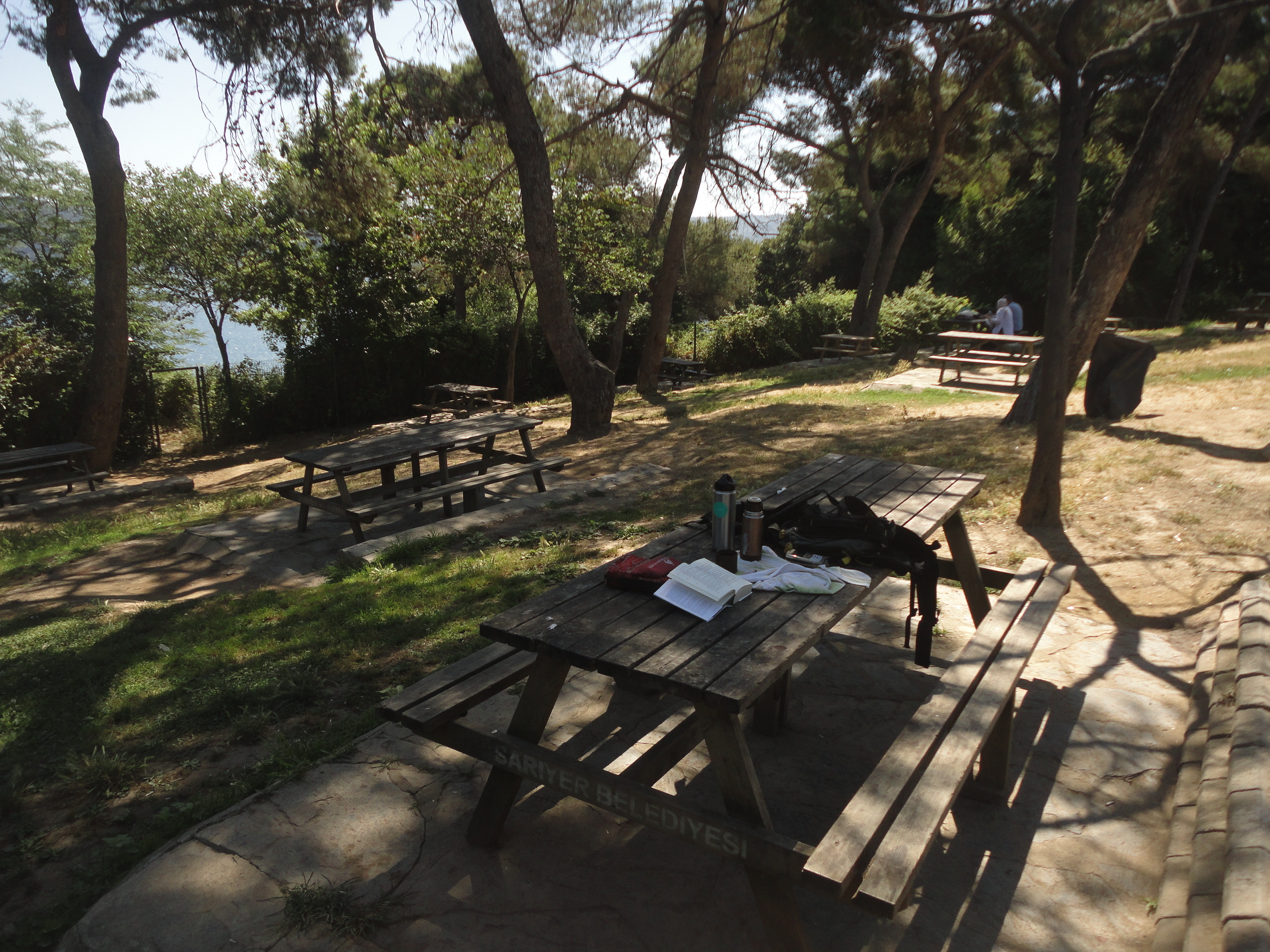
Book and paraphernalia lie on one picnic table among several. Two people sit at a table in the distance. The tables are partially shaded by trees, and a bit of sea is visible through other trees

I was reading Parmenides
in Kireçburnu Çamlık Parkı
Erguvantepe, Sarıyer, Istanbul
July 6, 2025
Continue reading

Just World

In “Biological History,” I talk about some stories by Somerset Maugham. The theme is a confusion between biological (or generally physical) facts and historical (or personal) facts.

I originally made the post on January 9, 2023. I have returned to it a few times since. I did this most recently when a friend told me of purchasing, in Toronto, Ontario, a two-volume edition of Maugham’s complete short stories. Probably this was the same edition that I had bought in Hamilton, Ontario, a quarter-century earlier.

Working again through “Biological History,” I wanted to spell out a remark about what is either the just-world hypothesis or the just-world fallacy. I am going to do that here, using verses of Parmenides of Elea. Parmenides will lead me in turn to Dr Seuss and the fallacy of artificial intelligence.

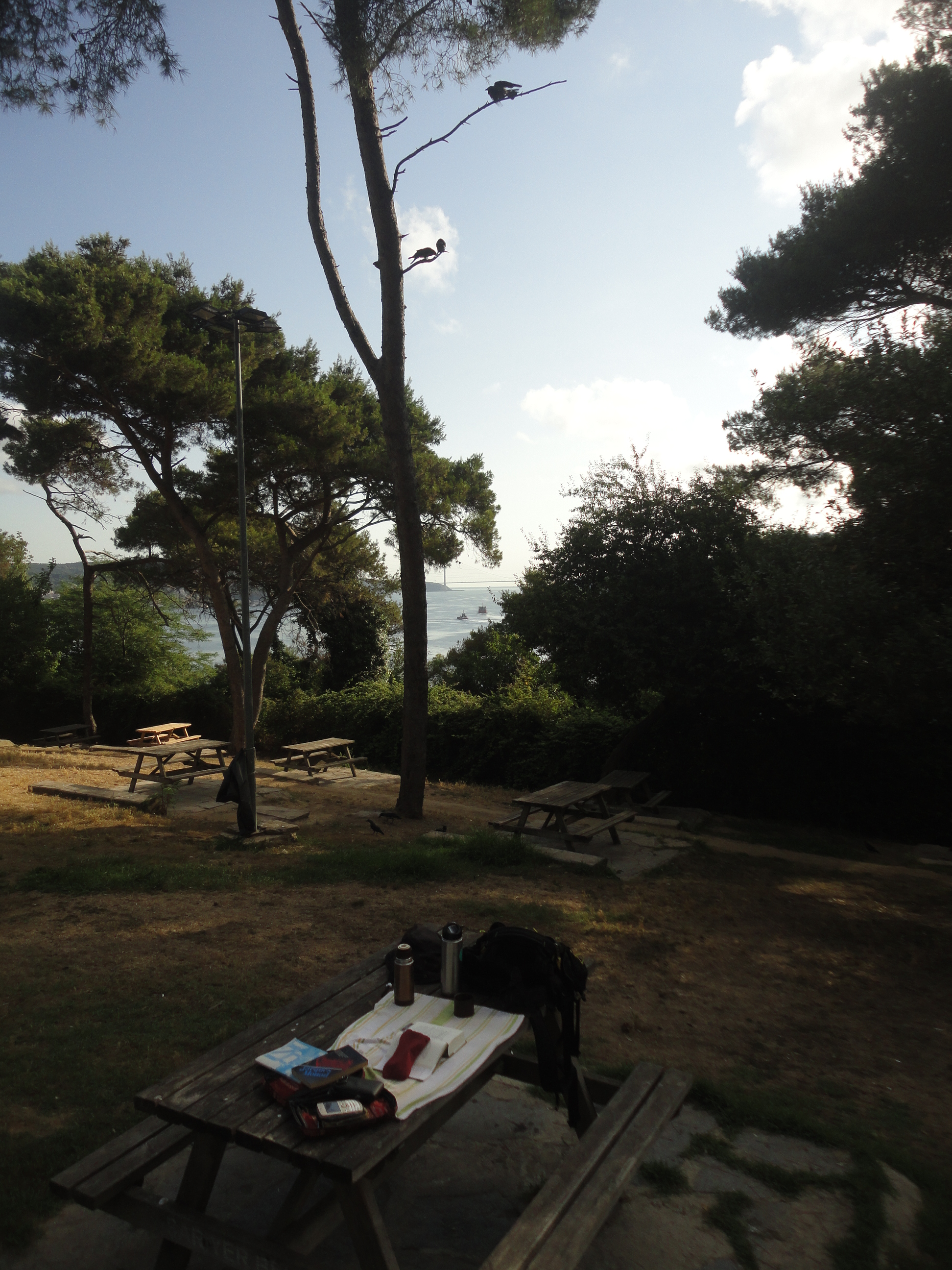
Book and paraphernalia on a picnic table below a pine tree with crows on the bare lower branches

Where I read Parmenides
Erguvantepe, Sarıyer, Istanbul
July 19, 2025

Continue reading

NL XIX: Two Senses of the Word “Society”

Executive summary (below) | Index to this series

After a break of half a year, I return to reading Collingwood’s New Leviathan. Being on holiday at an Aegean beach gives me the opportunity. While here, I may also return to Chapman’s Homer’s Iliad. Last winter I finished Part I of the New Leviathan, the part called “Man.” Here I continue with the first chapter of “Society.” I have reason to look at what Mary Midgley and Albert Einstein say about science. Collingwood’s investigation suggests a way of thinking about prejudice and discrimination.

Part II of the New Leviathan is “Society,” and the first two chapters of this, XIX and XX, concern the distinction between society proper and two more general notions. In Chapter XX, the more general notion will be community. In Chapter XIX, the more general notion has not got its own proper name, and so Collingwood denotes it by writing “society,” in quotation marks.

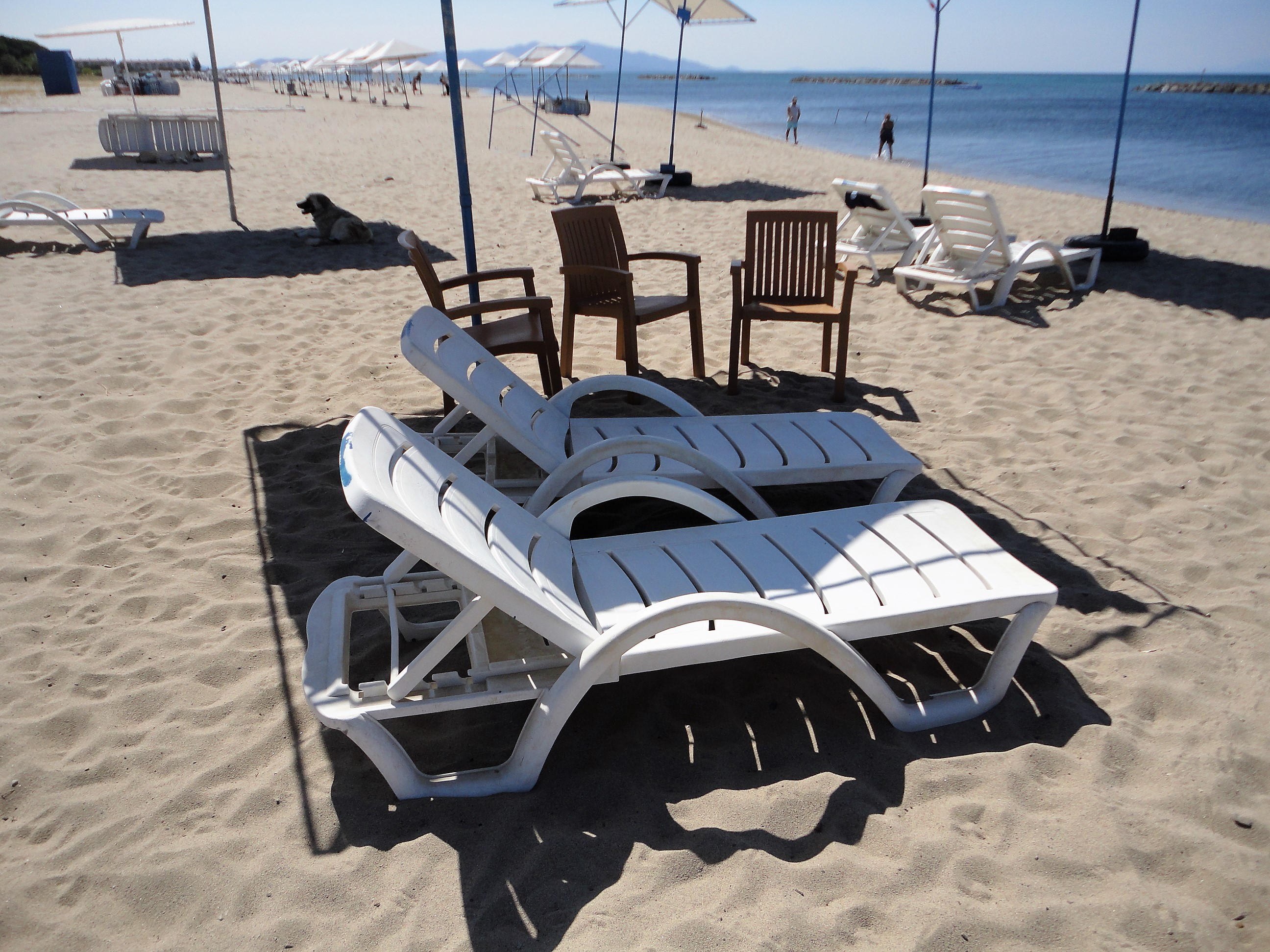
A “society” of chairs at the beach (Altınova 2017.08.31)

Continue reading